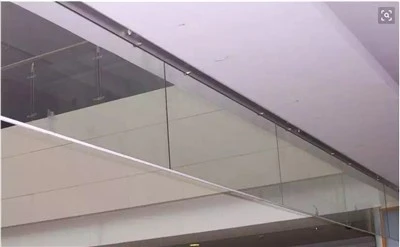


Glass smoke curtains are a critical safety feature in modern buildings, designed to contain smoke and fire during an emergency. However, their installation can have a significant impact on the natural light penetration within a building. As a leading supplier of [link text="Glass Smoke Curtain" url="/smoke-curtain/glass-smoke-curtain.html"]glass smoke curtains[/link], I have witnessed firsthand the challenges and opportunities associated with balancing safety and natural light in architectural design. In this blog post, I will explore how glass smoke curtains affect natural light in a building and discuss strategies to mitigate any negative impacts.
Understanding the Basics of Glass Smoke Curtains
Before delving into the impact on natural light, it's essential to understand how glass smoke curtains work. These systems are typically made of fire-resistant glass panels that are designed to deploy automatically in the event of a fire. The curtains are installed in strategic locations throughout a building, such as at stairwells, corridors, and large open spaces, to create a barrier that prevents the spread of smoke and fire.
Glass smoke curtains offer several advantages over traditional smoke curtains made of fabric or steel. They provide a clear line of sight, which can be crucial for evacuation and firefighting operations. Additionally, glass is a highly durable and low-maintenance material, making it an ideal choice for long-term use in commercial and residential buildings.
Impact on Natural Light
One of the primary concerns when installing glass smoke curtains is their potential to block natural light. Since these curtains are often installed in areas where natural light is abundant, such as atrium spaces or near large windows, they can significantly reduce the amount of sunlight that enters the building. This can have several negative consequences, including:
- Reduced Energy Efficiency: Natural light is a free and renewable energy source that can help reduce the need for artificial lighting during the day. By blocking natural light, glass smoke curtains can increase a building's energy consumption and carbon footprint.
- Decreased Comfort and Productivity: Studies have shown that exposure to natural light can improve mood, increase productivity, and enhance overall well-being. When natural light is limited, occupants may experience feelings of fatigue, stress, and reduced productivity.
- Altered Aesthetic Appeal: Natural light plays a crucial role in shaping the aesthetic of a building. It can enhance the architectural features, create a sense of spaciousness, and add warmth and depth to the interior. When glass smoke curtains block natural light, they can disrupt the desired aesthetic and make the space feel dark and uninviting.
Factors Affecting the Impact on Natural Light
The extent to which glass smoke curtains affect natural light depends on several factors, including:
- Curtain Design: The design of the glass smoke curtain can have a significant impact on its transparency and light transmission. Curtains with a higher percentage of glass and a lower frame-to-glass ratio will generally allow more light to pass through.
- Installation Location: The location of the glass smoke curtain within the building can also affect its impact on natural light. Curtains installed in areas with direct sunlight exposure will have a greater impact than those installed in shaded areas.
- Curtain Orientation: The orientation of the glass smoke curtain can also influence the amount of light that enters the building. Curtains that are installed parallel to the sun's path will allow more light to pass through than those installed perpendicular to it.
- Building Layout: The layout of the building, including the size and location of windows and skylights, can also affect the distribution of natural light. A well-designed building with an open floor plan and generous window areas will be less affected by the installation of glass smoke curtains.
Strategies to Mitigate the Impact on Natural Light
While glass smoke curtains can have a negative impact on natural light, there are several strategies that can be employed to mitigate these effects. These include:
- Opt for Transparent Glass: When selecting a glass smoke curtain, choose a product with a high level of transparency. Clear or low-iron glass can significantly improve light transmission and minimize the visual obstruction caused by the curtain.
- Use Frameless Curtains: Frameless glass smoke curtains offer the highest level of transparency and light transmission. These curtains eliminate the need for a traditional frame, allowing more light to pass through and creating a more open and airy feel.
- Install Curtains Strategically: Carefully consider the location and orientation of the glass smoke curtains to minimize their impact on natural light. Install curtains in areas where they are less likely to block direct sunlight, such as along the sides of a building or in shaded areas.
- Incorporate Daylighting Design Principles: When designing a building, incorporate daylighting design principles to maximize the use of natural light. This can include the use of skylights, light shelves, and reflective surfaces to redirect sunlight into the interior spaces.
- Use Automated Curtain Systems: Automated glass smoke curtains can be programmed to deploy only when necessary, allowing natural light to enter the building during normal operation. These systems can be controlled by a building management system or a fire alarm system, ensuring that the curtains are always in the correct position.
Conclusion
Glass smoke curtains are an essential safety feature in modern buildings, but their installation can have a significant impact on the natural light penetration within a building. By understanding the factors that affect the impact on natural light and implementing strategies to mitigate these effects, architects, designers, and building owners can ensure that their buildings are both safe and comfortable.
As a [link text="Glass Smoke Curtain" url="/smoke-curtain/glass-smoke-curtain.html"]glass smoke curtain supplier[/link], I am committed to providing high-quality products and solutions that meet the unique needs of each project. Whether you are designing a new building or retrofitting an existing one, I can help you select the right glass smoke curtain system to balance safety and natural light.


If you are interested in learning more about our glass smoke curtain products or would like to discuss your project requirements, please do not hesitate to [initiate contact for procurement and negotiation]. Our team of experts is ready to assist you in finding the best solution for your building.
References
- Building Industry Consulting Service International (BICSI). (2019). BICSI 002-2019, Telecommunications Infrastructure Standard for Data Centers.
- International Building Code (IBC). (2021). International Code Council.
- National Fire Protection Association (NFPA). (2018). NFPA 13, Standard for the Installation of Sprinkler Systems.
- Society of Fire Protection Engineers (SFPE). (2016). SFPE Handbook of Fire Protection Engineering, 5th Edition.