The cost of a fire door is a multifaceted topic that involves various factors, and as a fire door supplier, I am well - versed in the intricacies of these costs. In this blog, we will explore the elements that contribute to the price of fire doors, the different types available, and how to make an informed decision when purchasing.


Factors Affecting the Cost of Fire Doors
Material
The material used in the construction of a fire door is one of the most significant factors influencing its cost. Different materials have different properties, production costs, and levels of fire resistance.
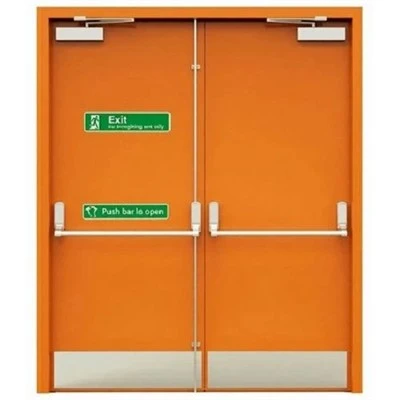
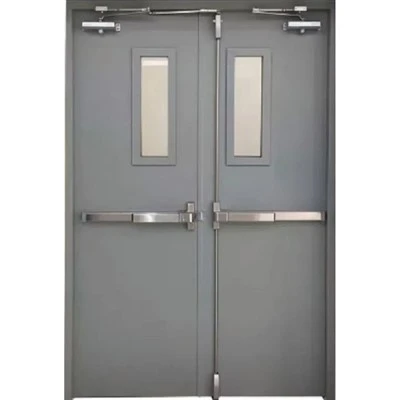
- Steel: Steel fire doors are known for their durability and high - level fire resistance. They are often used in commercial and industrial settings. The cost of steel is relatively stable, but the manufacturing process, including cutting, welding, and finishing, can add to the overall price. A Steel Thermal Fire Door combines steel's strength with thermal insulation capabilities, which may increase its cost compared to a standard steel fire door.
- Stainless Steel: Stainless steel fire doors offer excellent corrosion resistance in addition to fire protection. They are more expensive than regular steel doors because stainless steel is a premium material. The Stainless Steel Fire Door is a popular choice for areas where hygiene and aesthetics are important, such as hospitals and food processing facilities.
- Wood: Wooden fire doors are valued for their aesthetic appeal and can blend well with various interior designs. However, the cost of wood can vary depending on the type of wood used. High - quality hardwoods are more expensive than softwoods. Moreover, the treatment process to make the wood fire - resistant also adds to the cost. The Wooden Fire Door is a great option for residential and some commercial applications where a warm and natural look is desired.
- Steel - Wood Composite: A Steel Wood Fire Door combines the strength of steel and the aesthetic appeal of wood. This type of door offers the best of both worlds but comes at a higher cost due to the combination of materials and the more complex manufacturing process.
Fire Rating
Fire doors are rated based on their ability to withstand fire for a certain period. Common fire ratings include 20 - minute, 60 - minute, and 90 - minute ratings. The higher the fire rating, the more fire - resistant materials and construction techniques are required, which increases the cost. For example, a 90 - minute fire - rated door will generally cost more than a 20 - minute fire - rated door because it needs to be able to resist the intense heat and flames for a longer time.
Size and Customization
The size of the fire door also affects its cost. Larger doors require more materials and may be more difficult to manufacture and install. Additionally, if a customer requests custom - sized or custom - designed fire doors, the cost will increase. Customization can include special shapes, colors, or hardware, all of which add to the production time and cost.
Hardware
The hardware used on a fire door, such as hinges, locks, and closers, can have a significant impact on the overall cost. High - quality hardware is essential for the proper functioning of the fire door and for meeting safety standards. For example, a self - closing hinge is a requirement for many fire doors, and a high - quality self - closing hinge may cost more than a standard hinge.
Types of Fire Doors and Their Costs
Residential Fire Doors
Residential fire doors are typically used in homes to prevent the spread of fire between rooms or from the garage to the living area. Wooden fire doors are a common choice for residential applications due to their aesthetic appeal. The cost of a residential fire door can range from a few hundred dollars for a basic 20 - minute fire - rated wooden door to over a thousand dollars for a high - end, custom - made door with a higher fire rating.
Commercial Fire Doors
Commercial fire doors are used in a variety of commercial buildings, such as offices, stores, and factories. Steel fire doors are often the preferred choice for commercial applications because of their durability and high fire resistance. The cost of a commercial fire door can be significantly higher than that of a residential door, starting from around a thousand dollars and going up depending on the size, fire rating, and level of customization.
Industrial Fire Doors
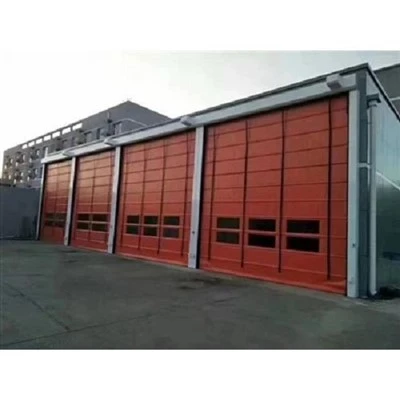
Industrial fire doors are designed to withstand extreme conditions and high - intensity fires. They are commonly used in industrial facilities such as warehouses, power plants, and manufacturing plants. These doors are usually made of heavy - duty steel and have high fire ratings. The cost of an industrial fire door can be several thousand dollars, especially for large - scale, custom - built doors.
Cost - Benefit Analysis
When considering the cost of a fire door, it is important to conduct a cost - benefit analysis. While fire doors may seem expensive upfront, they can provide significant long - term benefits.
- Life Safety: The most important benefit of a fire door is its ability to save lives. By preventing the spread of fire and smoke, fire doors give people more time to evacuate a building safely.
- Property Protection: Fire doors can also protect property by containing the fire to a specific area, reducing the damage caused by the fire and smoke.
- Insurance Savings: Many insurance companies offer lower premiums for buildings equipped with fire doors. This can result in significant savings over time.
Making an Informed Decision
When purchasing a fire door, it is important to consider your specific needs and budget. Here are some tips to help you make an informed decision:
- Assess Your Requirements: Determine the fire rating, size, and type of fire door that is suitable for your application. Consider factors such as the location of the door, the level of traffic, and the aesthetic requirements.
- Get Multiple Quotes: Contact several fire door suppliers and get quotes for the doors you need. Compare the prices, quality, and services offered by different suppliers.
- Check for Certifications: Make sure the fire doors you are considering meet the relevant safety standards and certifications. This will ensure that the doors are reliable and effective.
Conclusion
The cost of a fire door is influenced by many factors, including material, fire rating, size, customization, and hardware. As a fire door supplier, I understand the importance of providing high - quality fire doors at a reasonable price. Whether you are looking for a Steel Thermal Fire Door, a Stainless Steel Fire Door, a Wooden Fire Door, Steel Fire Windows, or a Steel Wood Fire Door, we have a wide range of options to meet your needs.
If you are interested in purchasing fire doors for your project, I encourage you to contact us for a detailed quote and to discuss your specific requirements. Our team of experts is ready to assist you in making the best decision for your safety and budget.
References
- National Fire Protection Association (NFPA) standards on fire doors.
- International Building Code (IBC) requirements for fire - rated assemblies.
- Industry reports on the cost and performance of different types of fire doors.