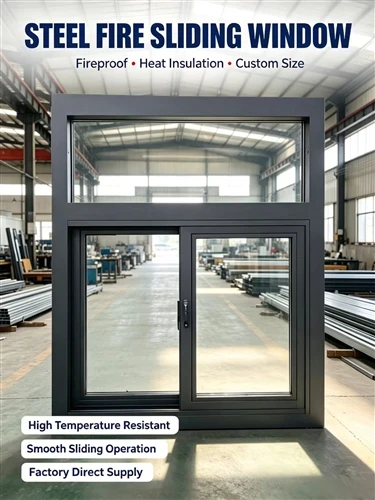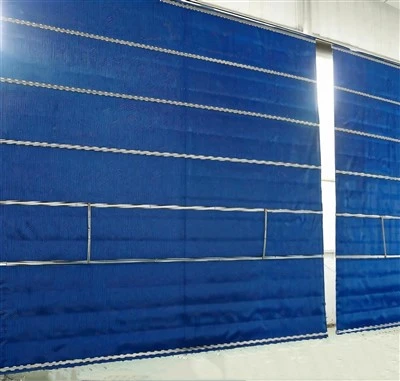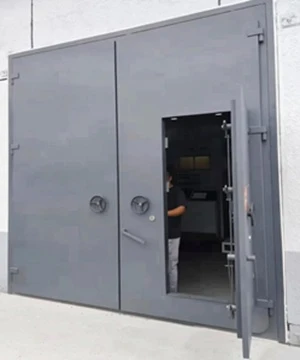

Fire-resistant windows work primarily through their specific construction and material combination, effectively preventing the spread of heat radiation for a certain period, thus temporarily resisting the spread of fire. Specifically:
Structural Composition: Fire-resistant windows mainly consist of a steel frame, steel sash, and fire-resistant glass. These components work together to form a relatively stable barrier during a fire.
Fire Resistance: Fire-resistant windows are not truly "fireproof," but rather they can resist the spread of fire for a certain period. Class A fire-resistant windows have a fire resistance rating of no less than 1.5 hours, Class B no less than 1 hour, and Class C no less than 0.5 hours.
Fire-resistant Glass: The glass in fire-resistant windows is usually made with a fire-retardant liquid. This type of glass maintains a certain level of fire resistance during a fire. At the same time, its light transmittance is no less than 75% of that of ordinary flat glass of the same thickness, ensuring a certain level of visibility during a fire.
Sealing Material: The sealing material between the frame and the fireproof glass is made of flame-retardant material. This material is not easily combustible in a fire and can play a role in fire prevention and smoke isolation, further enhancing the fire resistance of the fireproof window.
Hardware Fittings: The hardware fittings of the fireproof window should also be standardized products that have passed testing to ensure stability in a fire and not fail due to high temperatures.