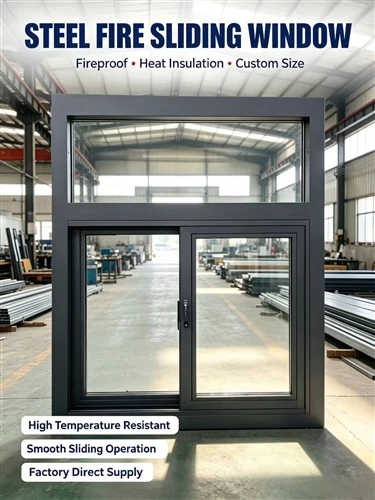

As of May 2025, it is mainly used in the following high-risk locations:
Chemical Industry: Used for explosion-proof isolation in petrochemical plant reaction workshops and solvent storage warehouses; also suitable for oil refineries, chemical plants, natural gas storage tanks, etc.
Pharmaceutical Industry: Used for pressure relief protection in raw material production workshops and ethanol extraction sections; also suitable for flammable and explosive chemical storage rooms, biological laboratories, etc.
Military Facilities: Used for shock wave control in ammunition assembly workshops and gunpowder storage depots; also suitable for ammunition depots, fuel storage areas, etc.
Power Buildings: Used for explosion-proof partitioning in gas turbine buildings and hydrogen-cooled generator sets; also suitable for thermal power plants, nuclear power plants, energy storage facilities, etc.
Underground Facilities: Used for pressure relief protection in enclosed spaces such as subway tunnels and underground warehouses.
Food Processing Industry: Used for explosion-proof protection in critical production areas.
New Energy and Energy Storage: Used for explosion-proof safety in energy storage cabinets, energy storage power stations, etc.
Other industrial and civil buildings: Applicable to industrial and civil plants, boiler rooms, hazardous materials warehouses, tobacco and grain storage facilities and other places with explosion risks. According to the national standard drawing 14J938, it is also applicable to civil buildings with safety protection requirements.