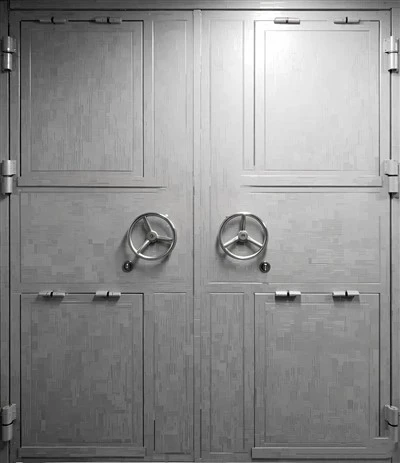
As an airtight door supplier, I often get asked if airtight doors can be used in cold climates. It's a valid question, and one that I'm happy to dive into. Living in and dealing with different environments has given me a wealth of insights into how airtight doors perform under various conditions, especially in cold weather.
First off, let's understand what airtight doors are. They are designed to prevent the passage of air and sometimes other substances like dust, smoke, or even water. This is achieved through a combination of high - quality seals, well - fitting frames, and sturdy construction. Airtight doors are commonly used in various settings, including industrial facilities, commercial buildings, and even some high - end residential spaces.
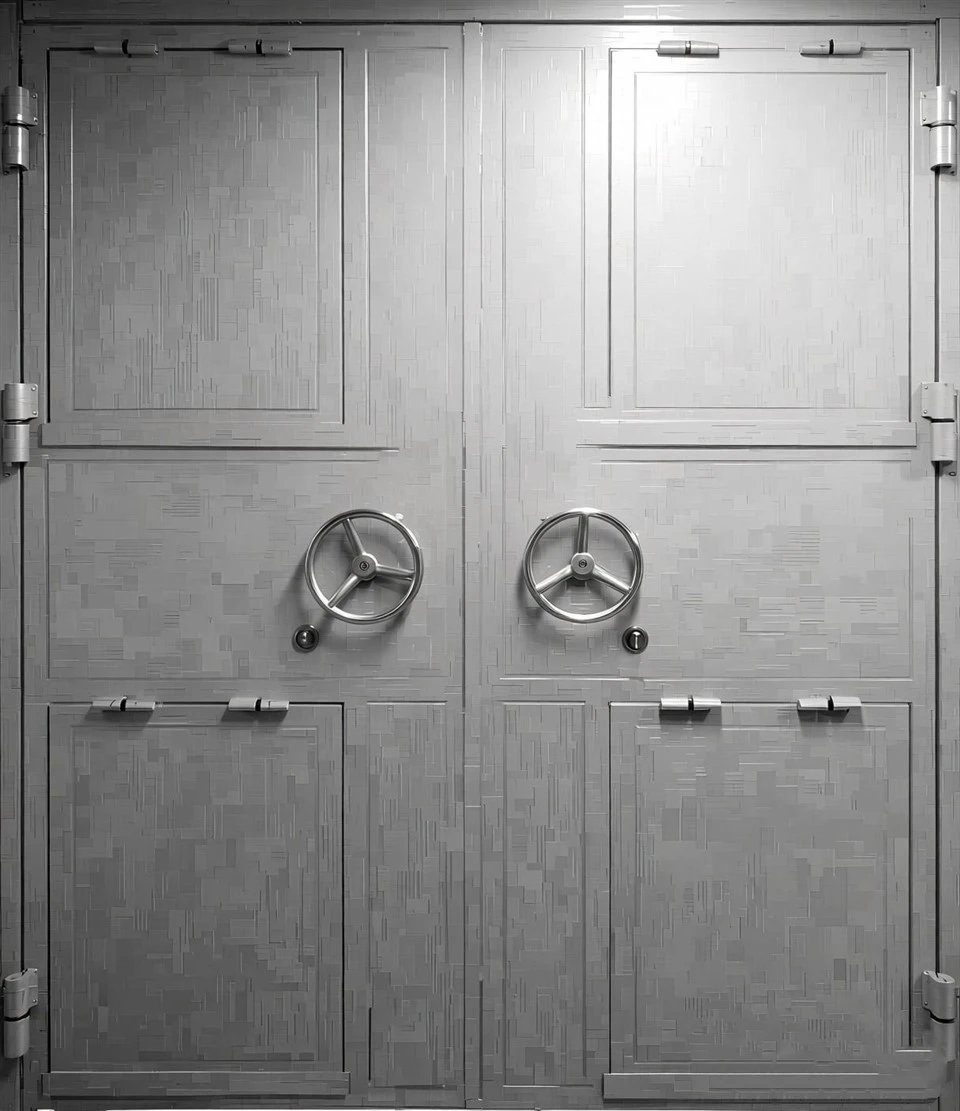

Now, when it comes to cold climates, the biggest concern is usually about insulation. Cold air has a tendency to sneak into buildings through any small gaps or cracks, and this can lead to significant heat loss. This not only makes the indoor environment uncomfortable but also drives up energy costs as the heating system has to work harder to maintain a comfortable temperature.
That's where airtight doors shine. Their tight seals and construction act as a barrier against the cold air. By preventing drafts, they help keep the warm air inside the building where it belongs. This is not just about comfort; it's also a major factor in energy efficiency. In a cold climate, reducing energy consumption is crucial, and airtight doors can play a significant role in achieving that.
Another aspect to consider is the potential for condensation. In cold climates, the contrast between the warm indoor air and the cold outdoor air can cause condensation to form on surfaces. If air leaks occur around doors, warm, moist indoor air can come into contact with the cold door surface, leading to condensation. This can cause problems such as mold growth and damage to the door and surrounding materials. Airtight doors minimize the chances of this happening by reducing the amount of air exchange between the inside and outside.
However, there are some challenges that need to be addressed when using airtight doors in cold climates. One of the main issues is the effect of extreme cold on the door materials and seals. Cold temperatures can cause materials to contract, which might affect the integrity of the door's airtightness. For example, rubber seals, which are commonly used in airtight doors, can become brittle in very cold conditions. This could potentially lead to small cracks or gaps forming, allowing air to leak through.
To overcome this, manufacturers like us use special materials that are designed to withstand cold temperatures. For instance, some seals are made from synthetic rubbers that have better cold - resistance properties. Additionally, the door frames and panels are often constructed from materials that have a low coefficient of thermal expansion, meaning they don't contract as much in the cold. This helps maintain the door's airtightness even in extreme cold.
In industrial settings in cold climates, such as food processing plants or cold storage facilities, airtight doors are not just a luxury but a necessity. These facilities need to maintain a consistent temperature to ensure the quality of their products. For example, in a cold storage warehouse, an airtight door can prevent warm air from entering and causing the stored goods to thaw or spoil.
Let's talk about some of the other types of doors we offer that might also be relevant in certain cold - climate scenarios. We have Explosion Relief Door, which are designed to release pressure in case of an explosion. In industrial facilities in cold regions, where there might be flammable substances present, these doors can provide an added layer of safety.
Our Armour Guard Doors are known for their high - strength construction. They can withstand harsh environmental conditions, including extreme cold. These doors are often used in areas that require both security and protection from the elements.
Steel Explosion Proof Door are another option. Steel is a durable material that can handle the cold well. These doors are ideal for industrial sites where explosion protection is needed, and the cold climate is an additional consideration.
If you're looking for a door that combines airtightness with explosion - proof capabilities, our Explosion Proof Airtight Door is a great choice. It offers the best of both worlds, making it suitable for a wide range of applications in cold regions.
And then there are Blast Resistant Door, which are designed to withstand the force of a blast. In certain industries in cold climates, such as mining or chemical processing, these doors can provide essential protection.
In conclusion, airtight doors can definitely be used in cold climates. With proper design, material selection, and installation, they can offer excellent insulation, prevent condensation, and contribute to energy efficiency. Whether you're looking for a simple airtight door for a residential building or a more specialized door for an industrial facility, we have the solutions.
If you're interested in learning more about our airtight doors or any of the other products I've mentioned, I'd love to have a chat with you. Don't hesitate to reach out for a free consultation and let's discuss how we can meet your specific needs in a cold - climate setting.
References:
- Building Science Corporation. "Energy Efficiency in Cold Climates."
- American Society of Heating, Refrigerating and Air - Conditioning Engineers (ASHRAE). "Design Guidelines for Cold Climate Buildings."