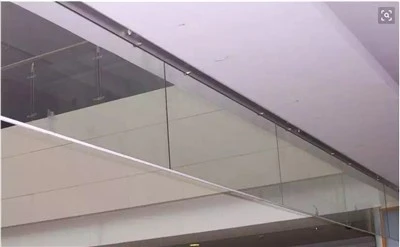


Hey there! As a supplier of Glass Smoke Curtains, I often get asked about how these nifty devices perform in the event of a chemical fire. It's a crucial question, especially considering the unique challenges that chemical fires bring to the table. In this blog post, I'll break down the ins and outs of Glass Smoke Curtains during a chemical fire and why they're a great addition to any safety setup.
Understanding Chemical Fires
First off, let's talk about what makes chemical fires so different. Chemical fires involve combustible chemicals, and they can be way more dangerous than your typical house fire. These fires can release toxic gases, corrosive substances, and even cause explosions. The heat and intensity of a chemical fire are often much higher, and the smoke can be filled with harmful particles that pose serious health risks.
When you're dealing with a chemical fire, quick action is essential to prevent the spread of the fire and the release of toxins. That's where Glass Smoke Curtains come in handy.
How Glass Smoke Curtains Work
Glass Smoke Curtains are designed to contain smoke and heat in a specific area during a fire. They're made of high - strength glass that can withstand high temperatures and pressure. When a fire breaks out, the curtain is activated, usually by a smoke detector or a heat sensor. Once activated, it descends or unfolds to create a barrier between the fire area and the rest of the building.
Containment of Smoke
One of the primary functions of Glass Smoke Curtains during a chemical fire is to contain the smoke. The dense glass acts as a physical barrier, preventing the toxic smoke from spreading to other parts of the building. This is crucial because the smoke from a chemical fire can contain all sorts of nasties like heavy metals, acids, and carcinogens. By keeping the smoke in one place, the Glass Smoke Curtain helps protect the occupants of the building from inhaling these dangerous substances.


Heat Resistance
Chemical fires generate a tremendous amount of heat. Glass Smoke Curtains are engineered to withstand high temperatures for a significant period. They are tested to meet strict fire - resistance standards, which means they can act as a heat shield, reducing the transfer of heat to adjacent areas. This not only helps in protecting people and property but also gives firefighters more time to control the fire.
Types of Glass Smoke Curtains in a Chemical Fire Scenario
We offer several types of Glass Smoke Curtains, each with its own advantages in a chemical fire situation:
Fixed Smoke Curtain
A Fixed Smoke Curtain is a permanent installation. It's always in place, ready to do its job when a fire breaks out. In a chemical fire, its solid and stable structure provides an immediate and reliable barrier. Since it's fixed, there's no risk of malfunction during the activation process, which is crucial in a high - stress situation like a chemical fire.
Roller Type Smoke Curtain
The Roller Type Smoke Curtain is a popular choice because of its space - saving design. In the event of a chemical fire, it can quickly unroll and form a barrier. The smooth operation of the roller mechanism ensures that the curtain is deployed rapidly, reducing the time for smoke and heat to spread.
Movable Smoke Curtain
A Movable Smoke Curtain offers flexibility. It can be adjusted according to the specific needs of the fire situation. For example, if the fire starts in a particular area and then spreads, the movable curtain can be repositioned to provide better containment. This adaptability is a significant advantage in a chemical fire where the situation can change rapidly.
Motorized Smoke Curtain
The Motorized Smoke Curtain is powered by an electric motor, which ensures a quick and efficient deployment. In a chemical fire, every second counts, and the motorized curtain can be activated almost instantly as soon as the fire is detected. This rapid deployment helps in minimizing the spread of smoke and heat.
Fire Resistant Fabric Smoke Curtain
Although not strictly a glass curtain, the Fire Resistant Fabric Smoke Curtain can work in conjunction with Glass Smoke Curtains. The fabric is designed to resist fire and block smoke, and it can be used in areas where a glass curtain might not be the best option, such as areas with irregular shapes or where flexibility is required.
Real - world Performance
I've seen firsthand how Glass Smoke Curtains perform in real - world chemical fire situations. In one industrial facility, a chemical fire broke out in a storage area. The Glass Smoke Curtains were activated immediately by the smoke detectors. They successfully contained the smoke and heat within the storage area, preventing the spread of toxic fumes to the rest of the factory. This allowed the employees to evacuate safely and gave the firefighters time to arrive and extinguish the fire.
Another case involved a research laboratory. A small chemical fire occurred during an experiment. The Movable Smoke Curtain was quickly adjusted to isolate the fire area. The combination of the glass curtain and the quick response limited the damage to the laboratory equipment and protected the researchers from the harmful smoke.
Advantages over Other Fire - Safety Measures
Compared to other fire - safety measures, Glass Smoke Curtains have several unique advantages in a chemical fire scenario. Unlike traditional fire doors, they can cover a larger area, providing a more extensive barrier against smoke and heat. They also don't require manual operation, which is a huge plus in a high - stress situation where people might panic.
Moreover, Glass Smoke Curtains are highly visible, which can help guide people to safety during an evacuation. They can be installed in various locations, such as open - plan offices, industrial warehouses, and commercial buildings, making them a versatile solution for different types of chemical fire risks.
Considerations for Using Glass Smoke Curtains in Chemical Fires
While Glass Smoke Curtains are great, there are a few things to consider. First, you need to make sure that the curtain is compatible with the chemicals involved in the potential fire. Some chemicals might react with the glass or the frame of the curtain, which could compromise its effectiveness.
Secondly, regular maintenance is essential. The curtain should be inspected regularly to ensure that it's in good working condition. This includes checking the activation system, the integrity of the glass, and the overall structure.
Conclusion
In conclusion, Glass Smoke Curtains are a fantastic solution for dealing with chemical fires. Their ability to contain smoke, withstand high temperatures, and offer quick deployment makes them an invaluable asset in any building where chemical fires are a risk. Whether you choose a Fixed Smoke Curtain, a Roller Type Smoke Curtain, or any of the other types we offer, you can be confident in their performance.
If you're interested in learning more about our Glass Smoke Curtains or are considering purchasing them for your facility, I encourage you to reach out. We're here to help you find the best solution for your specific needs and ensure the safety of your building and its occupants.
References
- National Fire Protection Association. (20XX). Fire protection standards for chemical facilities.
- International Association of Fire Fighters. (20XX). Best practices for fire safety in industrial settings.