Dust Prevention, Noise Reduction and Safety Protection of Rigid High-Speed Rolling Doors
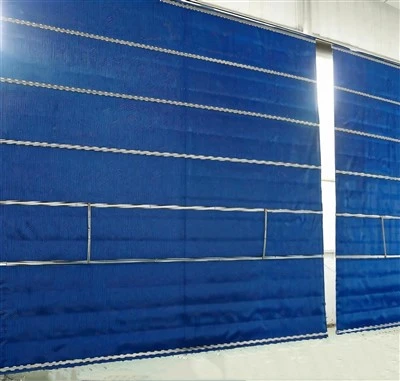
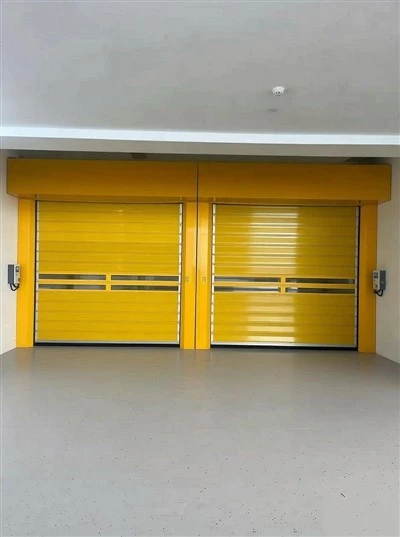
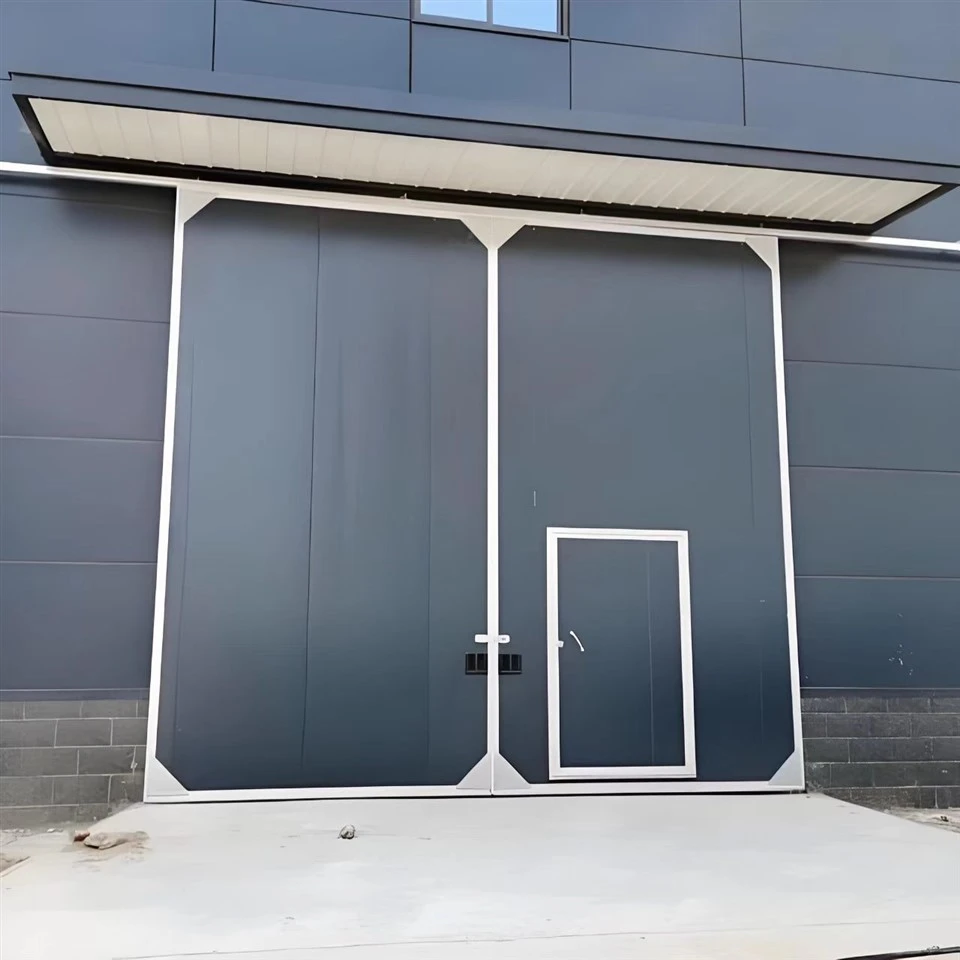
Aluminum alloy rigid high-speed rolling doors are widely used in workshop passages, clean workshops, cold chain warehouses, logistics sorting yards and other locations. Compared with flexible high-speed doors, the aluminum alloy door panels feature higher rigidity, impact resistance and good deformation resistance. In addition to high-speed opening and closing performance, dustproof sealing, noise reduction and the complete safety protection system are the core factors to maintain a clean environment, ensure the safety of personnel and equipment, and realize stable operation. They are also key technical items for engineering procurement and acceptance inspection.
Dustproof performance relies on multi-seal structures. EPDM sealing strips are installed at the joints of extruded aluminum alloy door panels. Brushes and rubber sealing strips are fitted on both sides, and the flexible bottom seal adapts to uneven ground. Door frame gaps are fully sealed to block dust and insects, limit air convection in the workshop and maintain a clean environment..
-
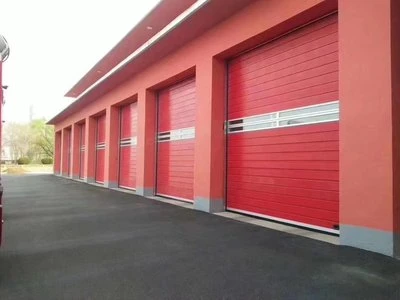
Noise reduction targets vibration, friction and airflow noise generated during high-speed operation. Thickened aluminum alloy profiles are filled with sound insulation materials. Precision-machined tracks are paired with silent guide wheels. Variable-frequency servo motors adopt soft start and soft stop. Shock-absorbing pads and polyurethane buffer stops are fitted on the transmission system. Together with sealing strips, they reduce airflow whistling noise, suitable for workshops and laboratories with strict noise control requirements.
-
Multi-layer safety protection is adopted. Infrared photoelectric sensors come as standard; the door reverses immediately when obstacles are detected while closing. High-end versions add bottom safety airbags for double protection. The system is equipped with overload protection, emergency stop button and manual release for power failure. It supports multiple trigger modes including radar, ground loop and access control, and reserves an interface for fire linkage. Anti-derailment guide structures prevent the door panels from derailing and falling.