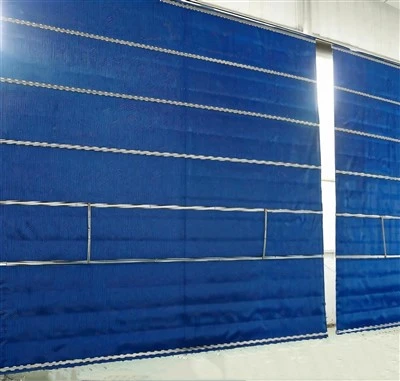
What is an explosion‑proof door?

An explosion‑proof door, also known as a blast‑resistant door, is a special‑purpose protective door developed for deflagration‑risk scenarios. Relying on its high‑strength steel structure, shock‑absorbing infill layer and air‑tight sealing assembly, it resists shock‑wave, high‑temperature flue‑gas and toxic gas generated by the detonation of flammable gas, combustible dust or hazardous chemicals. It confines blast energy from spreading outward and safeguards personnel, electrical‑control equipment and refuge compartments behind the door against property loss and personal injury. It serves as an indispensable safety component for chemical‑plant workshops, hazardous‑goods warehouses, tunnels and military depots.
Many purchasers confuse explosion‑proof doors with fire‑resistant doors. The primary function of a fire‑resistant door is to stop flame propagation and meet specified fire‑resistance duration requirements, while the key performance indicator for an explosion‑proof door is its rated blast over‑pressure bearing capacity. High‑grade composite explosion‑proof doors integrate multiple capabilities including blast resistance, fire resistance, airtight sealing and toxic‑gas isolation.
Core Hardware Structure and Technical Parameters
Steel‑plate Substrate
For doors applied in high‑risk warehouses, the thickness of the door‑leaf face plate shall be no less than 3 mm. The door frame is a reinforced frame welded from channel steel. Door leaves for ultra‑high blast‑pressure grades adopt a double‑steel‑plate structure with hollow filling.
Inner Filling Core Material
Perlite blast‑fire boards, flame‑retardant rock wool and honeycomb shock‑absorbing materials absorb blast waves, insulate against heat and cut noise. Composite blast‑resistant doors offer 1.0‑2.0 h fire‑resistance duration.
Sealing System
Fire‑intumescent rubber sealing strips are fitted. Under the high‑temperature condition of an explosion, the strips expand to seal door‑leaf gaps and stop dense smoke, toxic and flammable gases from leaking through clearances.
Blast‑resistant Hardware Accessories
Heavy‑duty blast‑resistant hinges, spark‑free shaft bushes, hand‑wheel multi‑point compression locks and emergency quick‑open gear. Sight‑window models adopt shatter‑proof blast‑resistant glass to stop fragment splashing upon impact.
Main Application Sites

1.Petrochemical industry: hazardous‑chemical warehouses, reaction workshops, oil‑tank‑area duty rooms and gas pressure‑regulating stations.
2.Dust‑processing plants: workshops for wood dust, aluminium powder, flour and lithium‑battery powder. Power‑energy sector: underground substations,
3.power distribution rooms, boiler houses and gas‑pipeline chambers.
4.Military‑grade security: ammunition depots and classified control rooms.
5.Underground works: tunnel refuge chambers, civil‑air‑raid compartments and mine rescue chambers.
6.Other high‑risk premises: explosive‑risk research laboratories and gas‑station equipment rooms.