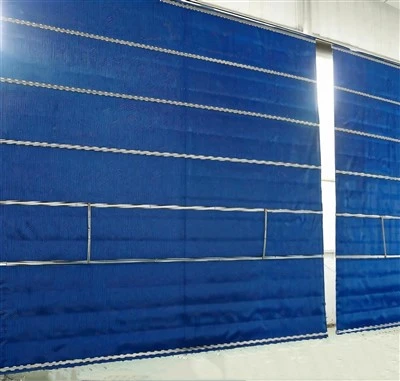
Selection Guide for Stainless‑Steel Fire‑resistant Doors
Selection by Material Grade
201 stainless‑steel fire‑resistant door: Cost‑effective with moderate rust resistance. Suitable for dry, corrosion‑free indoor environments such as ordinary office buildings and indoor machine rooms.
304 stainless‑steel fire‑resistant door: Excellent overall performance and corrosion‑resistant property. Adaptable to humid, dusty and general outdoor conditions. It is the mainstream option for current engineering projects.
316L stainless‑steel fire‑resistant door: Top‑level salt‑spray, acid and alkali resistance. Specially designed for severely corrosive environments including coastal zones, chemical industrial parks, underground tunnels and disinfection areas in hospitals.


Selection by Opening Mode
Single‑leaf stainless‑steel fire‑resistant door: Mostly applied to small machine rooms, shaft wells and single‑person evacuation passages. Easy to install and space‑saving.
Double‑leaf stainless‑steel fire‑resistant door: Used for large‑span fire‑separation zones such as stairwells, lobbies and large‑scale equipment rooms, offering wider evacuation passage width.
Leaf‑and‑a‑half stainless‑steel fire‑resistant door: Balances passage efficiency and fire‑proof sealing performance, ideal for special passages with frequent equipment and personnel transit.
Selection by Fire‑resistance Rating
Class‑A (≥1.5 h): Key fire‑separation locations, including power distribution rooms, fire‑water pump houses, air‑conditioning machine rooms and main partition walls of fire compartments.
Class‑B (≥1.0 h): Primary evacuation passages for occupants, such as smoke‑proof stairwells, fire anterooms and escape corridors.
Class‑C (≥0.5 h): Auxiliary fire‑separation sections, such as cable shafts, piping shafts and smoke‑vent shafts.

Development Trend of Stainless‑Steel Fire‑Resistant Doors

With the continuous improvement of building fire‑safety codes and rising quality requirements for construction projects, the drawbacks of conventional steel fire‑resistant doors, such as susceptibility to corrosion, high maintenance costs and short service life, have become increasingly prominent. They can no longer meet fire‑protection requirements for high‑end buildings and special‑condition sites.
Boasting comprehensive advantages including superior corrosion resistance, high stability, long service life, low‑maintenance performance and attractive appearance, stainless‑steel fire‑resistant doors are gradually replacing traditional steel fire‑resistant doors and becoming the mainstream choice for public‑building fire‑safety projects.
In the future, stainless‑steel fire‑resistant doors will develop towards refinement, intelligence and integration. Smart functions such as intelligent door‑closing alarm, smoke‑detector linkage and door‑status monitoring will gain wider popularity. Meanwhile, the upgrading of high‑end surface finishing techniques and eco‑friendly fire‑resistant core materials will further achieve multi‑dimensional balance among fire‑safety performance, architectural aesthetics and operation‑and‑maintenance economy, delivering more reliable protection for fire safety in modern buildings.