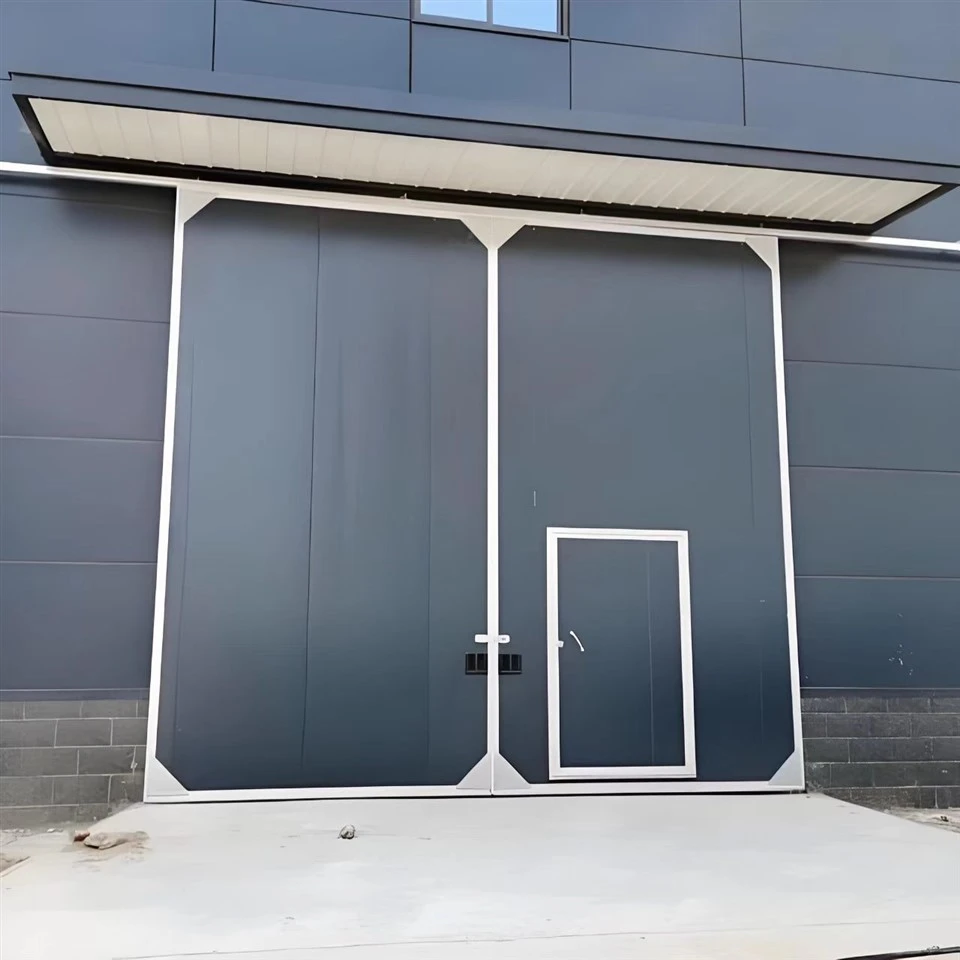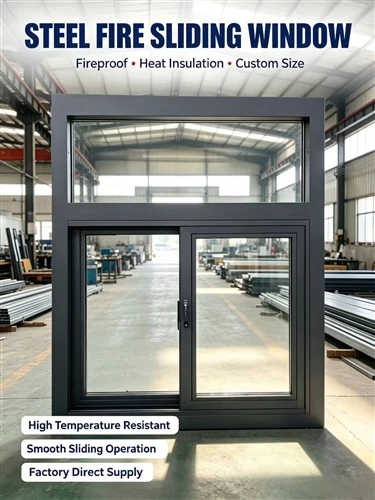

Core Functions of Fire Windows in Fire Protection Systems
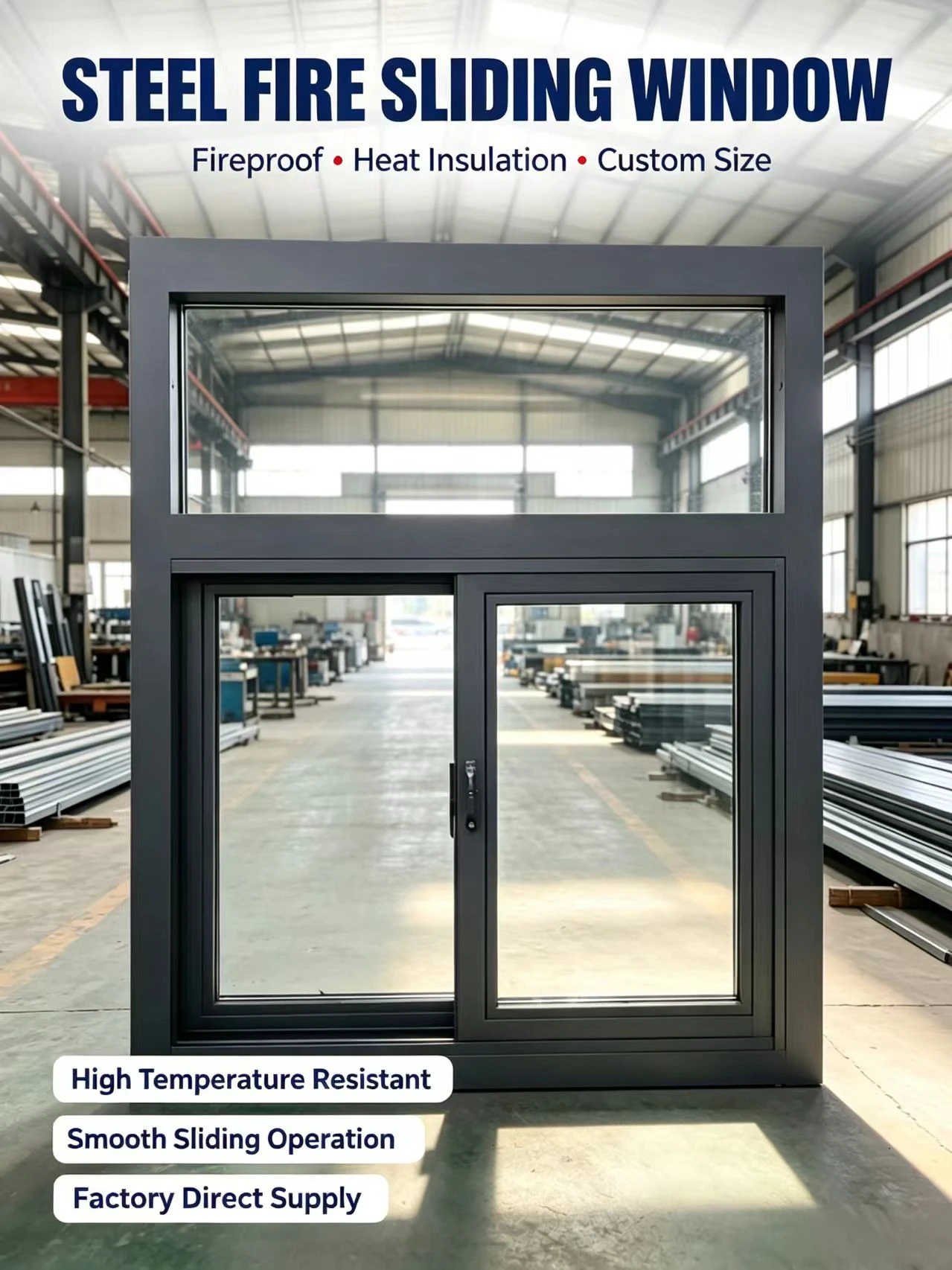
1. Establish independent fire compartments and block fire
spreadFor large open spaces such as shopping malls, factories and office buildings where solid fire walls cannot be fully enclosed, fire windows serve as lightweight fire separation assemblies. They divide buildings into independent fire compartments to limit the combustion range of the fire source and prevent the whole building from being engulfed by flames.
2. Block high-temperature toxic flue gas and secure evacuation routes
Most fire fatalities are caused by toxic smoke. Fully sealed fire windows stop carbon monoxide and high-temperature flue gas from invading evacuation staircases and refuge rooms, buying sufficient time for personnel evacuation. Openable fire windows can discharge smoke temporarily when open and automatically close to trap smoke once a fire breaks out.
3. Protect key equipment and reduce property losses
4. Balance fire code compliance and building daylighting
demandsTraditional solid fire walls block natural light completely. Fire windows satisfy mandatory fire separation requirements while retaining natural daylight, optimizing indoor comfort and matching the transparent design style of modern buildings.
Tips for Avoiding Pitfalls in Procurement and Model Selection
Common False Labeling Traps in the Market
Non-standard products often cut corners by thinning profiles, replacing fire-resistant glass with ordinary tempered glass, omitting thermal release devices, and sealing gaps between frames and walls with ordinary foam adhesive. Many purchasers confuse fire-resistant windows, energy-saving windows and single-piece tempered glass windows, which are not interchangeable. Such products will fail fire inspection, resulting in extremely high rectification costs later. Three mandatory indicators shall be clarified during procurement: first, the fire resistance rating shall match the application area; second, openable windows shall be fully equipped with temperature control and linkage accessories; third, complete test and certification documents shall be obtained, and on-site measurement of profile and glass parameters shall be conducted before delivery.
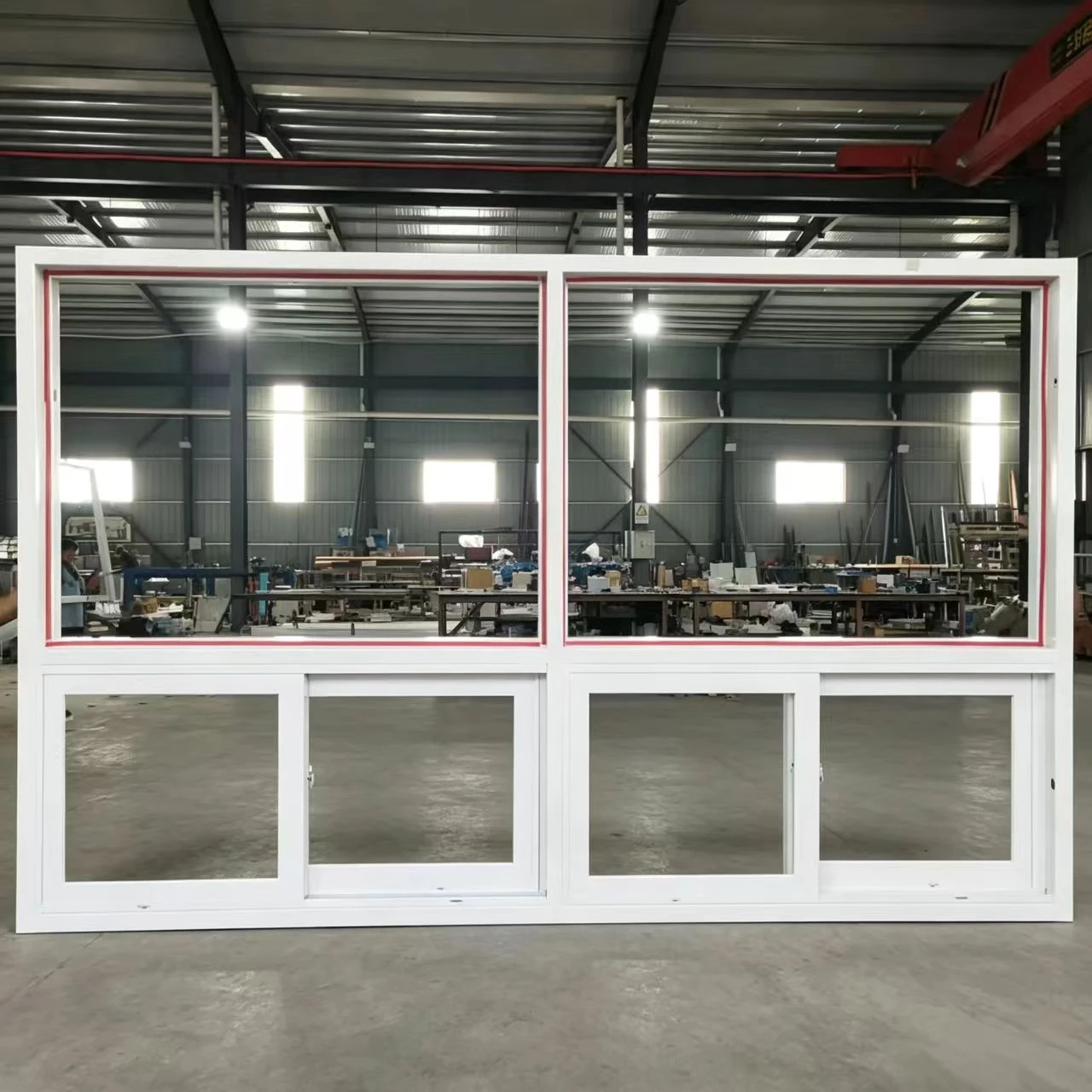
Differences in Structural Filling
Ordinary broken-bridge aluminum windows are only filled with thermal insulation cotton inside cavities without flame-retardant and fire-resistant core materials. The entire frame cavity of fire windows is fully filled with inorganic fireproof materials, which will not melt or collapse under high temperature to block heat conduction.
Differences in Glass Performance
Ordinary tempered glass cracks and falls off in high heat and fails fire separation. Composite insulated fire glass with fire-resistant gel stays intact to block heat and smoke. Single cesium-potassium glass only retains integrity without heat insulation and shall not be used alone in evacuation areas.
Differences in Supporting Hardware
Ordinary windows are not equipped with thermal release devices or window closers. Openable fire windows are mandatorily fitted with 73℃ temperature sensing elements to automatically close the window in case of fire; some models support signal feedback and access to the fire linkage system.
Differences in Acceptance Qualifications
Fire windows are equipped with fire 3C certification and type inspection reports, with a unique identification nameplate on each window. Ordinary doors and windows have no fire test qualifications and will be directly judged unqualified during fire site inspection.