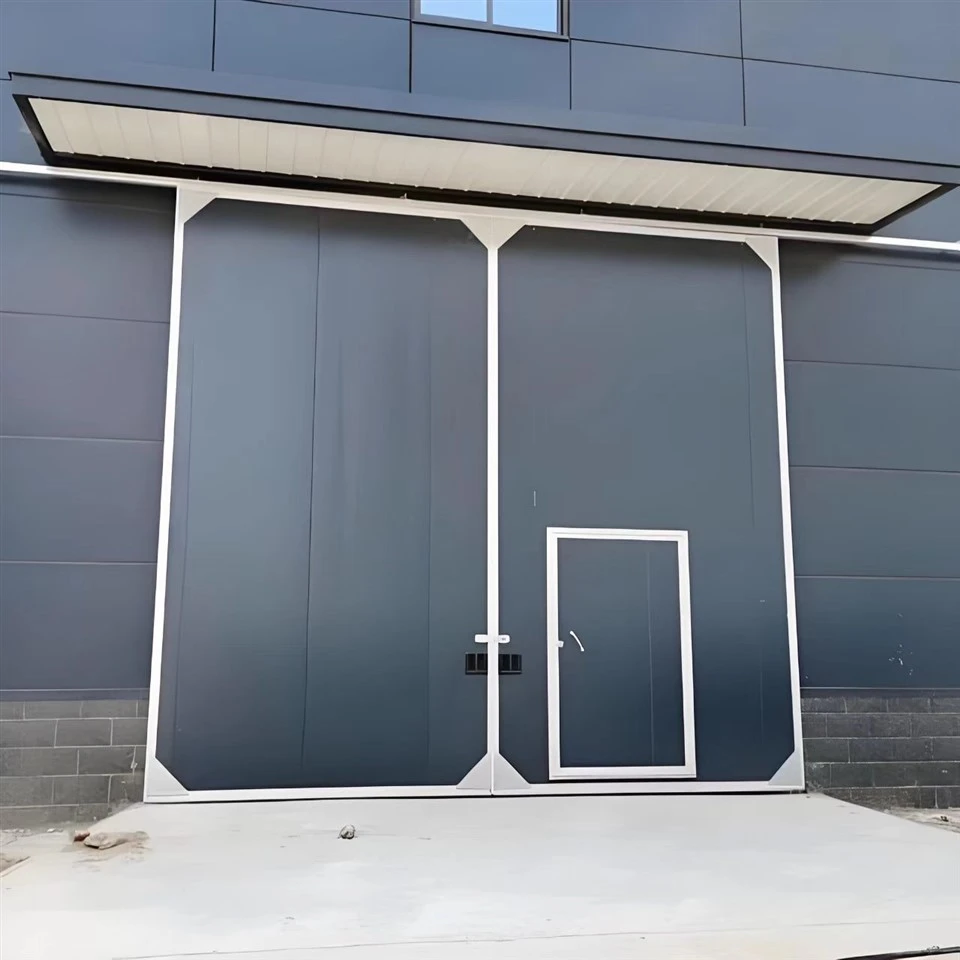


In fire - prone areas, fire doors play a pivotal role in safeguarding lives and properties. As a dedicated fire door supplier, I'm here to delve into how these essential safety features work and why they are indispensable in high - risk environments.
Understanding the Basics of Fire Doors
A fire door is a specialized door designed to resist the spread of fire and smoke for a specified period. This time frame, known as the fire - rating, can range from 20 minutes to several hours, depending on the specific requirements of the area. The primary function of a fire door is to compartmentalize a building, creating barriers that prevent the fire from rapidly spreading throughout the structure.


The construction of fire doors is a meticulous process. They are typically made from a combination of materials that are inherently fire - resistant. For instance, Steel Fire Door are a popular choice. Steel is known for its high melting point and structural integrity under high temperatures. Inside the steel frame, there are often insulating materials such as mineral wool or vermiculite. These materials act as a thermal barrier, reducing the transfer of heat from one side of the door to the other.
The Working Mechanism in a Fire
When a fire breaks out in a fire - prone area, several key factors come into play that determine how well a fire door functions.
Sealing Mechanisms
One of the most critical aspects of a fire door is its ability to seal off the opening. Fire doors are equipped with special seals around the edges. These seals are typically made of intumescent materials. Intumescent materials have a remarkable property: when exposed to heat, they expand. In a fire situation, as the temperature rises, the intumescent seals expand to fill any gaps around the door, creating an air - tight and fire - resistant barrier. This prevents the passage of flames, hot gases, and smoke, which are often more dangerous than the fire itself due to the presence of toxic fumes.
Door Latching and Hinging
Proper latching and hinging are also essential for a fire door to work effectively. The door must be able to close securely and stay closed during a fire. High - quality hinges are designed to withstand the intense heat and weight of the door for the duration of the fire - rating. The latches are engineered to hold the door firmly in place, preventing it from being forced open by the pressure of the fire or the movement of the building structure.
Automatic Closing Devices
In many fire - prone areas, fire doors are equipped with automatic closing devices. These can be in the form of hydraulic door closers or electromagnetic hold - open devices. Hydraulic door closers use a piston and fluid system to ensure a smooth and controlled closing action. When a fire alarm is triggered, the electromagnetic hold - open devices release, allowing the door to swing shut under the force of the closer. This ensures that the door closes quickly and reliably, even if no one is present to manually close it.
Different Types of Fire Doors and Their Applications
There are various types of fire doors, each designed to meet specific needs in different fire - prone areas.
Industrial Sliding Door
Industrial Sliding Door are commonly used in large industrial facilities. These doors are ideal for areas where space is limited and a swinging door is not practical. They are designed to slide along a track, providing a large opening for the movement of equipment and materials. In a fire, industrial sliding fire doors can quickly close to isolate different sections of the facility, preventing the spread of fire and smoke.
Fire Resistant Door
Fire Resistant Door are a more general category that includes both swinging and sliding doors. These doors are suitable for a wide range of applications, from commercial buildings to residential complexes. They are designed to meet specific fire - rating requirements and can be customized in terms of size, appearance, and materials to fit the aesthetic and functional needs of the building.
Steel Thermal Fire Door
Steel Thermal Fire Door are specifically engineered to provide excellent thermal insulation in addition to fire resistance. They are often used in areas where temperature control is important, such as industrial kitchens, laboratories, or electrical equipment rooms. The thermal insulation helps to protect the contents of the room from the heat of the fire and also reduces the risk of the fire spreading due to the transfer of heat.
Technical Analysis of Fire Doors
A Technical Analysis Of Steel Fire - resistant Doors reveals the intricate engineering behind these safety devices. Factors such as the thickness of the steel, the type and density of the insulating material, and the quality of the hardware all contribute to the overall performance of the door.
For example, the thickness of the steel frame affects its ability to resist deformation under high temperatures. A thicker frame can provide greater structural integrity and prevent the door from buckling, which could compromise the seal. The type of insulating material also plays a crucial role. Mineral wool, for instance, is a popular choice due to its excellent fire - resistant properties and ability to trap air, which further enhances its thermal insulation capabilities.
Importance in Fire - Prone Areas
In fire - prone areas, such as industrial zones, areas with high - density housing, or regions with a history of wildfires, fire doors are not just an option but a necessity. They can significantly reduce the risk of fire spreading, giving occupants more time to evacuate safely and minimizing property damage.
In industrial areas, where large quantities of flammable materials are often stored, fire doors can prevent a small fire from turning into a major disaster. They can isolate different production areas, protecting valuable equipment and preventing the interruption of business operations.
In high - density housing, fire doors in stairwells and corridors can prevent the spread of fire and smoke, allowing residents to escape to safety. They also act as a barrier to protect the common areas of the building, reducing the overall damage and the cost of restoration.
Contact for Procurement
If you are looking for reliable fire doors for your fire - prone area, we are here to help. Our team of experts can provide you with detailed information about our products, including their fire - ratings, specifications, and installation requirements. We offer a wide range of fire doors to suit different needs and budgets. Whether you need a Steel Fire Door for an industrial facility or a Fire Resistant Door for a commercial building, we have the solution for you. Contact us today to start a discussion about your procurement needs.
References
- National Fire Protection Association (NFPA) standards on fire doors.
- International Building Code (IBC) regulations regarding fire - resistant construction.
- Research papers on the performance of fire - resistant materials in high - temperature environments.