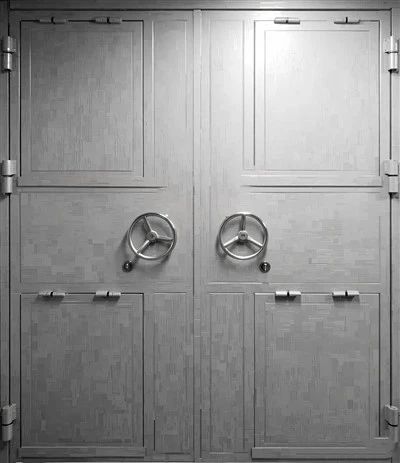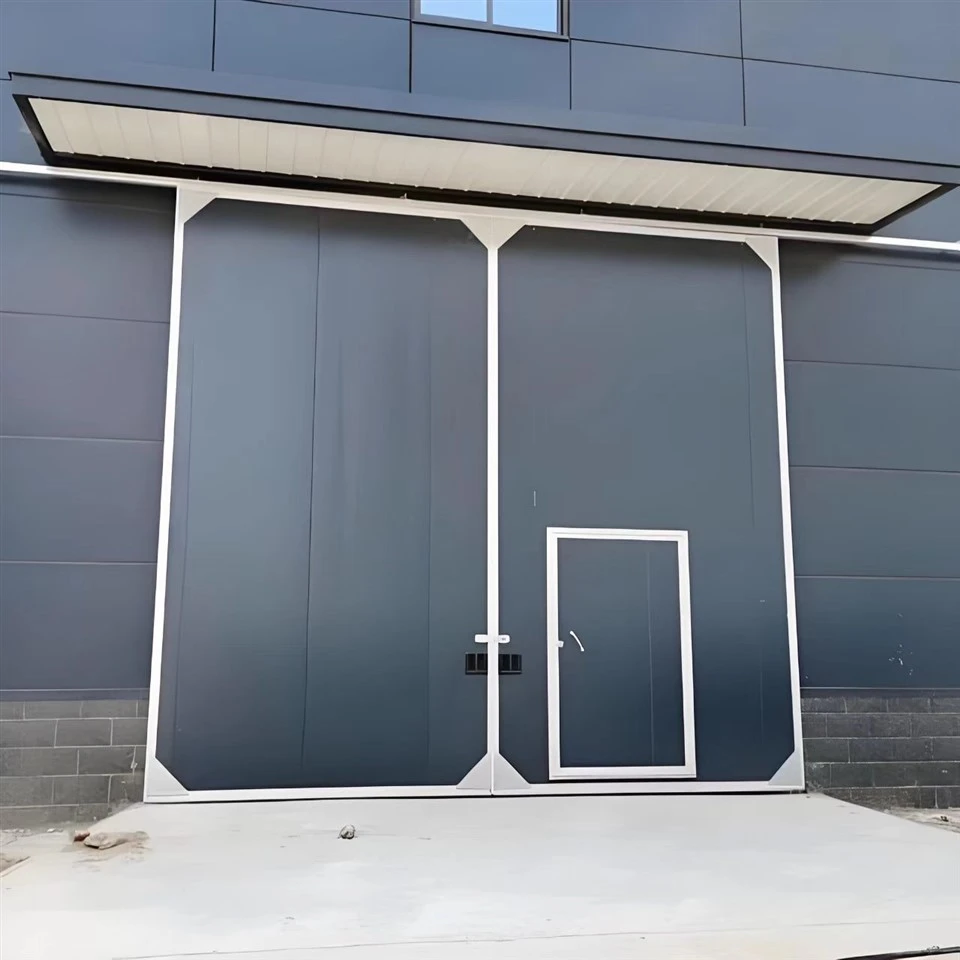


When I first started selling blast resistant doors, I totally get it—most people I talk to have this weird mix of questions. They’re like, “Your door can stop a bomb, right? So does that mean it’s like pushing a fridge to open it every time?” Fair question. If you’ve never seen one up close, it makes sense to assume heavy-duty protection equals impossible operation. But here’s the thing: modern blast resistant doors (and their related siblings like Explosion Relief Door, Steel Explosion Proof Door) are designed to do two jobs well—block explosions and work like a regular door 99% of the time. I’ll break down how that works, no boring engineering jargon, just real-world stuff I’ve learned from working with factories, labs, and facilities managers for years.
First, let’s talk about why old-school blast doors were such a pain (I used to help fix a few of these back in the day, trust me). Way back when, they were built like solid steel vaults with big, rusted latches that required two people to open. The problem? Those were only meant for military bunkers, not places where people need to come and go all shift long—chemical plants, warehouse storage areas, even some commercial labs. No one wants to deal with a door that’s a whole project to open when you’re rushing to stop a chemical leak or grab a shipment. That’s why we and other suppliers have changed the game.
The biggest upgrade? Balancing the structural strength with ease of movement. Let’s take Blast Resistant Door as an example. The core of it is thick steel, of course (hence the Steel Explosion Proof Door line), but the frame and hinges are engineered to distribute weight evenly. We use heavy-duty, corrosion-resistant ball bearings in the hinges, so the door glides like a regular warehouse door when you push it. No more struggling with uneven weight pulling it to one side. For single-person operation, that’s key—our standard doors weigh around 150-250 lbs, which sounds heavy, but with the right hinge setup, it feels more like pushing a heavy office desk than a tank. I’ve had new clients test this at our warehouse: they walk up, yank it open, then go “Wait, that’s it?” after seeing we drop a pressure test on it. The visual of a door withstanding an explosion makes you expect something way stiffer.
Then there’s the locking mechanism, which is where a lot of old doors went wrong. We use what’s called a “multi-point locking system” for most of our doors, but we’ve designed it so you don’t need a key or a giant lever to open it. It’s like a regular door lock, except instead of one bolt, there are 4-6 small bolts that lock into the frame. When you push the handle, those bolts retract smoothly—no jamming, no needing to crank it. For places that need extra security or airtightness, we have Explosion Proof Airtight Door and Airtight Door options. Even those airtight models aren’t hard to open—we add a small pressure release button on the handle side. When you press it, it equalizes the air pressure between the room and outside, so the door doesn’t suction to the frame like a soda can when you open it. That’s a game-changer for labs or clean rooms where air tightness is non-negotiable. I had a pharmaceutical client tell me they used to hate their old airtight blast door because opening it would make their lab’s pressure gauge drop, but our doors? They open in two seconds flat, no pressure shift.
Now, let’s talk about real-world use cases, because specs are great but what about when you’re actually at work? A food processing plant in Texas we worked with needed doors for their chemical storage area. The staff were shifting pallets of hazardous materials every hour, so they needed a door that could handle being opened and closed 50 times a day, no issues. We installed our standard blast resistant doors with the multi-point lock and ball hinges. A few months later, the plant manager hit me up to say the doors were the best upgrade they’d made all year. No more complaining about hurting their shoulders opening the old doors, and they passed every OSHA inspection. Another client was a research lab in New Mexico that needed explosion relief doors (you know, the ones that let excess pressure out gently in a blast instead of holding it all in). Those doors are a little different—they have a spring-loaded release mechanism that lets them swing inward on their own if pressure gets too high—but when you’re operating them normally, it’s just like opening a regular door. No special tools, no training beyond how to open a standard door.
Wait, but what about heavy use over time? I get it—you don’t want a door that works fine for a month then seizes up. All our doors are tested to withstand 10,000+ open/close cycles before any noticeable wear. We use galvanized steel for the frames, so rust isn’t a problem even in humid or industrial areas. The hinges are grease-sealed, so you never have to lubricate them. I had a client in Louisiana put our doors in a chemical plant near the Gulf Coast—super humid, salt air, the works. They’ve had them for three years, and the doors still open as smooth as the day we installed them. No weird creaks, no sticking.


Is there any case where these doors are hard to operate? Rarely, and it’s almost always a setup issue. Like, if the frame isn’t aligned properly during installation, the door might rub against the frame when you open it. Or if someone tries to add a bunch of extra weight to the door (like attaching a heavy sign or extra panel) without talking to us. But those are avoidable—our installation team checks alignment three times before signing off, and we always tell clients not to modify the door without consulting us. Another exception: very large doors, like ones that are 10+ feet tall for loading docks. Those are a little heavier, so we add an assist handle and spring hinges that take most of the weight when opening. Even then, two people can handle it, or even one person if they’re stronger, and it’s still way easier than the old-style loading dock blast doors.
Let me also address a common misconception: people think “blast resistant” means complicated. But the whole point is that people should be able to use it without thinking about it. If you have to spend time fumbling with a lock or pushing a door, that’s a safety hazard—when an explosion happens, you need everyone to get out fast. Our doors are designed so that in an emergency, you don’t have to stop to figure out how to open it. The handle is where you’d expect it, the locks work with a quick turn, and even the air pressure release is obvious. I’ve been to a training session where we tested a door after a small controlled blast—no one had trouble opening it, even after the pressure hit. That’s the goal: protection without sacrificing functionality.
If you’re someone in charge of upgrading your facility’s safety, don’t let the “blast resistant” label scare you off. These doors aren’t the clunky, impossible-to-use things they used to be. Whether you need a Blast Resistant Door for a storage area, an Explosion Proof Airtight Door for a lab, or an Explosion Relief Door for a high-risk space, we’ve got options that are safe and easy to use. The key is working with a supplier that balances strength with operation—someone who knows that a door that’s too hard to use is a door no one will trust in an emergency.
If you’re looking to upgrade your facility’s blast protection and want to see firsthand how these doors work, reach out to us to talk through your specific needs. We can set up a time to walk through your space, answer any questions, and even show you a demo of how the doors operate. Don’t let the fear of complicated operation stop you from keeping your team safe—modern blast doors are built for both protection and everyday use.
References:
- National Fire Protection Association. (2020). NFPA 655: Standard for Prevention of Sulfur Fires and Explosions.
- Occupational Safety and Health Administration. (2022). “Blast Resistant Structures and Door Systems for Industrial Facilities.” OSHA Technical Manual, Section IV, Chapter 5.
- American Society of Mechanical Engineers. (2019). ASME Pressure Vessel and Piping Code, Section VIII: Rules for Construction of Pressure Vessels.
- International Code Council. (2021). International Building Code, Chapter 7: Fire and Smoke Protection Features.