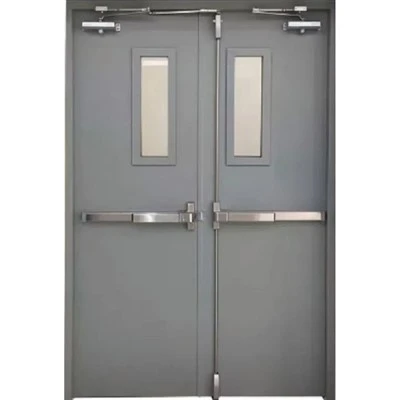


Yo, folks! As a supplier of Airtight Doors, I've seen firsthand how important it is to keep these doors in top - notch condition over time, especially when it comes to maintaining their airtightness. In this blog, I'm gonna share some tips on how you can enhance the airtightness of an airtight door as the years go by.
Regular Inspections
First things first, regular inspections are key. You should be checking your airtight door at least once a month. Look for any visible signs of wear and tear, like cracks in the door frame or the seal. A small crack might seem harmless at first, but over time, it can lead to significant air leakage.
If you notice any issues during your inspection, don't ignore them. For example, if the door doesn't close properly, it could be because the hinges are loose. Tightening the hinge screws is a simple fix that can make a big difference in the door's airtightness.
Another thing to look out for is the condition of the weatherstripping. Weatherstripping is what seals the gap between the door and the frame, and it can wear out over time. If you see that the weatherstripping is cracked, torn, or missing in some areas, it's time to replace it. You can easily find replacement weatherstripping at your local hardware store.
Cleaning and Lubrication
Cleaning your airtight door regularly is also crucial. Dust, dirt, and debris can accumulate on the door and its components, which can affect its performance. Use a mild detergent and a soft cloth to clean the door surface, the frame, and the seal. Avoid using abrasive cleaners, as they can damage the door and the seal.
Lubrication is another important aspect. The hinges, locks, and other moving parts of the door need to be lubricated periodically. You can use a silicone - based lubricant for this purpose. Lubricating these parts not only helps the door operate smoothly but also prevents them from rusting and corroding, which can lead to air leaks.
Upgrading the Seal
If your airtight door is still experiencing air leakage even after regular inspections, cleaning, and lubrication, it might be time to upgrade the seal. There are different types of seals available in the market, and choosing the right one can significantly enhance the airtightness of your door.
For example, a magnetic seal is a great option. It creates a strong seal between the door and the frame by using magnetic force. This type of seal is very effective in preventing air leakage and is often used in high - end airtight doors. You can find magnetic seals at most hardware stores or online.
Another option is a foam - based seal. Foam seals are flexible and can conform to the shape of the door and the frame. They are also relatively inexpensive and easy to install. However, they might not be as durable as magnetic seals and may need to be replaced more frequently.
Addressing Structural Issues
Sometimes, the air leakage problem might be due to structural issues with the door or the frame. For instance, if the floor is uneven, it can cause the door to sag, which in turn affects its airtightness. In this case, you may need to adjust the door or the frame to make it level.
If the problem is more severe, like a damaged door frame, you may need to replace it. A new door frame can provide a better fit for the door and improve its airtightness. When replacing the frame, make sure to choose a high - quality material that is resistant to warping and damage.
Using Airtight Door Accessories
There are also some accessories that you can use to enhance the airtightness of your airtight door. For example, a door sweep can be installed at the bottom of the door to seal the gap between the door and the floor. Door sweeps come in different materials, such as rubber and brush, and can effectively prevent air from leaking in or out.
Another useful accessory is a draft stopper. Draft stoppers can be placed along the sides of the door to block any air gaps. They are usually made of soft materials like foam or fabric and can be easily attached to the door or the frame.


Importance of Airtight Doors in Different Settings
Airtight doors play a crucial role in various settings. In industrial environments, Explosion Proof Airtight Door are essential for preventing the spread of hazardous gases and protecting workers and equipment. These doors are designed to withstand high - pressure situations and maintain a tight seal even under extreme conditions.
In commercial buildings, Airtight Door can help improve energy efficiency by preventing air leakage. This can lead to significant cost savings on heating and cooling bills. Additionally, airtight doors can also enhance the comfort of the building's occupants by reducing drafts and noise.
In residential settings, airtight doors can provide a more comfortable living environment. They can keep out cold air in the winter and hot air in the summer, making your home more energy - efficient. Moreover, they can also improve the security of your home by providing a better barrier against intruders.
Other Types of Doors Related to Airtightness
If you're in an area where there is a risk of explosions, Steel Explosion Proof Door and Blast Resistant Door are excellent choices. These doors are specifically designed to withstand the force of an explosion and protect the surrounding area. They are made of high - strength steel and have special seals to ensure airtightness even after an explosion.
On the other hand, Explosion Relief Door are used in industrial settings to relieve the pressure caused by an explosion. These doors are designed to open automatically when the pressure inside a room reaches a certain level, preventing damage to the building and its occupants.
Conclusion and Call to Action
Enhancing the airtightness of an airtight door over time is not a one - time task but an ongoing process. By following the tips I've shared in this blog, such as regular inspections, cleaning, lubrication, upgrading the seal, and addressing structural issues, you can ensure that your airtight door remains effective and efficient for years to come.
Whether you're looking for an airtight door for your industrial facility, commercial building, or residential home, we've got you covered. Our team of experts can help you choose the right door for your specific needs and provide you with all the support you need for installation and maintenance. If you're interested in purchasing an airtight door or have any questions, don't hesitate to reach out and start a procurement discussion. We're here to make sure you get the best product and service.
References
- "Building Door Sealing Handbook", published by a leading industry association.
- "Airtightness in Industrial Environments", a research paper from a well - known research institute.
- Manufacturer's guides for airtight doors and related products.