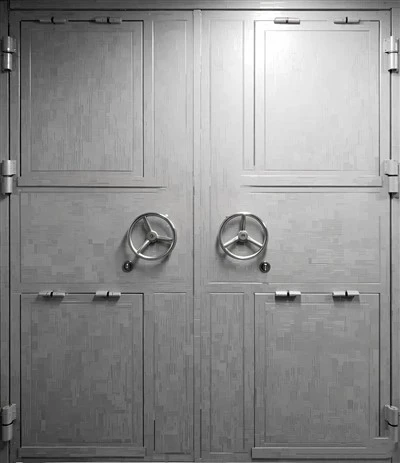
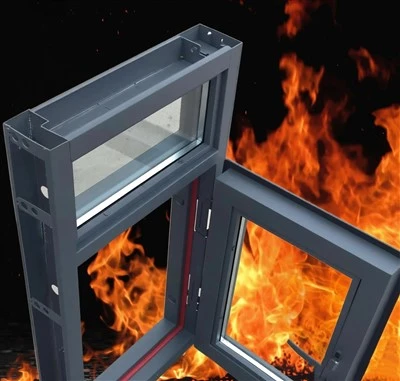
When embarking on a project that requires an explosion-proof solution, selecting the right steel explosion-proof door is a decision that should not be taken lightly. As a supplier of Steel Explosion Proof Door, I understand the importance of this choice and am here to guide you through the process.
Understanding the Basics of Steel Explosion Proof Doors
Steel explosion-proof doors are designed to withstand the force of an explosion and prevent the spread of blast waves, flames, and debris. They are commonly used in industrial settings such as chemical plants, oil refineries, and power stations, as well as in military facilities and high-security buildings.
The effectiveness of a steel explosion-proof door depends on several factors, including its construction, material quality, and installation. A well-designed door should be able to resist the pressure of an explosion without collapsing or allowing the blast to penetrate. It should also be able to close quickly and tightly to prevent the spread of fire and smoke.


Assessing Your Project Requirements
Before choosing a steel explosion-proof door, it is essential to assess your project requirements. Consider the following factors:
1. Explosion Rating
The explosion rating of a door indicates the maximum pressure it can withstand. This rating is typically expressed in pounds per square inch (psi) or kilopascals (kPa). You need to determine the expected explosion pressure in your facility and choose a door with a rating that exceeds this value.
2. Size and Opening Type
The size and opening type of the door are crucial factors to consider. Measure the dimensions of the doorway carefully and choose a door that fits the space. You also need to decide on the opening type, such as swing, sliding, or rolling. The opening type should be suitable for the location and usage of the door.
3. Fire Resistance
In addition to explosion resistance, the door should also have a certain level of fire resistance. Look for doors that are rated for fire protection according to relevant standards, such as the UL 10C or ASTM E119. The fire rating indicates the length of time the door can withstand fire and prevent its spread.
4. Airtightness
If your project requires airtightness, such as in cleanrooms or laboratories, you should choose a door with good airtight properties. Explosion Proof Airtight Door are specifically designed to provide a tight seal and prevent the leakage of air, dust, and contaminants.
5. Security Requirements
Consider the security requirements of your facility. Some explosion-proof doors may also offer additional security features, such as locking mechanisms, access control systems, and bullet resistance. Choose a door that meets your security needs.
Types of Steel Explosion Proof Doors
There are several types of steel explosion-proof doors available on the market. Each type has its own characteristics and advantages. Here are some common types:
1. Armour Guard Doors
Armour Guard Doors are heavy-duty doors that are designed to provide high levels of explosion and ballistic protection. They are typically made of thick steel plates and are reinforced with additional structural components. These doors are suitable for high-security facilities and military applications.
2. Explosion Relief Door
Explosion Relief Doors are designed to relieve the pressure of an explosion by opening in a controlled manner. They are typically installed in areas where an explosion is likely to occur, such as in chemical storage rooms or boiler rooms. These doors help to prevent the build-up of pressure and reduce the risk of structural damage.
3. Airtight Door
Airtight Doors are designed to provide a tight seal and prevent the leakage of air, dust, and contaminants. They are commonly used in cleanrooms, laboratories, and other environments where air quality is critical. These doors are often made of stainless steel or other materials that are resistant to corrosion and easy to clean.
Evaluating the Quality of Steel Explosion Proof Doors
When choosing a steel explosion-proof door, it is important to evaluate its quality. Here are some factors to consider:
1. Material Quality
The quality of the steel used in the door is crucial. Look for doors that are made of high-quality steel with a high yield strength and good corrosion resistance. The steel should be properly treated and coated to prevent rust and other forms of damage.
2. Construction and Design
The construction and design of the door also play an important role in its performance. Look for doors that are well-constructed and have a strong frame and hinges. The door should be able to close tightly and seal properly to prevent the leakage of blast waves and flames.
3. Testing and Certification
Make sure the door has been tested and certified by a reputable testing agency. Look for doors that meet relevant standards, such as the UL 10C, ASTM E119, or NFPA 80. These certifications ensure that the door has been tested for explosion resistance, fire protection, and other performance criteria.
4. Manufacturer Reputation
Choose a door from a reputable manufacturer with a proven track record. Research the manufacturer's history, customer reviews, and industry reputation. A reliable manufacturer will provide high-quality products and excellent customer service.
Installation and Maintenance
Proper installation and maintenance are essential for the performance and longevity of a steel explosion-proof door. Here are some tips:
1. Professional Installation
Have the door installed by a professional installer who has experience with explosion-proof doors. The installer should follow the manufacturer's instructions and ensure that the door is installed correctly.
2. Regular Maintenance
Perform regular maintenance on the door to keep it in good working condition. This includes cleaning the door, lubricating the hinges, and checking the seals and locking mechanisms. Follow the manufacturer's maintenance recommendations.
3. Inspections
Schedule regular inspections of the door to check for any signs of damage or wear. Look for cracks, dents, or other defects in the door and frame. If any issues are found, have them repaired immediately.
Making the Right Choice
Choosing the right steel explosion-proof door for your project requires careful consideration of your requirements, the type of door, and the quality of the product. By following the guidelines outlined in this blog, you can make an informed decision and select a door that provides the best protection for your facility.
If you have any questions or need further assistance in choosing the right steel explosion-proof door for your project, please do not hesitate to contact us. We are here to help you find the perfect solution for your needs.
References
- American Society for Testing and Materials (ASTM). (2023). ASTM E119 - Standard Test Methods for Fire Tests of Building Construction and Materials.
- National Fire Protection Association (NFPA). (2023). NFPA 80 - Standard for Fire Doors and Other Opening Protectives.
- Underwriters Laboratories (UL). (2023). UL 10C - Standard for Fire Tests of Door Assemblies.