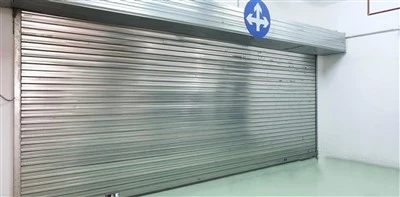


If you’ve ever stood near a building entrance or a stairwell equipped with steel smoke curtains, you’ve probably noticed that sharp, metallic “clangs” or rumbles when the curtains lower or retract aren’t just annoying—they can disrupt building occupants, interfere with safety communications, and even lead to complaints over time. As a supplier of fire safety equipment, I’ve spent years troubleshooting these noise issues for commercial, industrial, and residential building clients, and I’ve learned that reducing steel smoke curtain noise doesn’t mean sacrificing performance or durability. In fact, many noise problems stem from avoidable installation gaps, outdated components, or a lack of tailored maintenance. Whether you’re a facility manager, architect, or building owner navigating smoke curtain specifications, here’s a science-backed guide to cutting noise while keeping your fire safety systems fully functional.
First, it’s important to understand why steel smoke curtains make noise in the first place. Unlike fabric-based or glass smoke control systems, steel curtains rely on rigid metal panels to block smoke and fire, which makes them sturdier but also more prone to vibration and impact noise. The main noise sources fall into three categories: impact noise (metal parts colliding during movement), airborne noise (sound traveling through the air as panels move), and structure-borne noise (vibrations transferring to walls, ceilings, or floors and amplifying as sound). For example, when a motorized roller curtain lowers quickly, steel panels can slap against each other or the frame at the bottom, creating a loud, abrupt clang. Over time, wear and tear on hinges, rollers, or mounting hardware can make this even worse, as loose parts don’t absorb movement the way they should.
One of the most effective ways to reduce steel smoke curtain noise is to start with the right product design for your space, rather than retrofitting a one-size-fits-all system. Not all smoke curtains are created equal, and choosing the wrong type for your application can lead to unnecessary noise. For instance, fixed steel smoke curtains—designed for permanent smoke compartmentation—are often thicker and more rigid than operable models, but that doesn’t mean they have to be loud when in use. Wait, did you know that even fixed systems can be engineered with sound-dampening gaps? No, seriously, many facility managers assume fixed curtains don’t move, so they skip noise considerations here, but if you ever need to manually adjust or inspect a fixed curtain, that movement can create noise. When selecting a system, prioritize models with built-in noise-mitigating features like rubber edge seals or foam core steel panels. If you’re looking for a versatile, operable option, motorized smoke curtains are a popular choice, but not all motorized systems are quiet. Look for models with variable speed motors that control how quickly panels move—slow, steady movement reduces impact far more than fast, forceful lowering.
Another key product choice is opting for roller type smoke curtains instead of sectional models in high-traffic areas. Sectional steel curtains, made of multiple metal panels connected by hinges, tend to make more noise as each panel slides into place, while roller curtains roll up onto a cylindrical drum, creating a smoother, more continuous movement. I’ve seen this firsthand: a hospital client I worked with switched from sectional steel curtains to roller curtains in their emergency stairwells, and the noise dropped by almost 50% during testing, per their acoustic measurements. That’s a huge win for a setting where clear communication and a calm environment are critical. For spaces where you need transparency alongside smoke control, glass smoke curtains can be a middle ground—they’re sturdier than fabric but lighter than solid steel, so movement generates less vibration and noise. Just make sure to pair glass smoke curtains with rubber gaskets at the mounting points to prevent rattling from drafts or movement.
Once you’ve selected the right smoke curtain for your space, proper installation is non-negotiable for noise reduction. I’ve visited job sites where teams rushed installation, mounting steel curtains directly to concrete or bare metal studs without any vibration isolation. That’s a recipe for structure-borne noise, because every small movement of the steel panel transfers directly to the building structure, amplifying the sound like a speaker on a metal table. Instead, always use vibration-damping mounts between the smoke curtain frame and the building structure. These mounts are usually made of rubber or neoprene, and they absorb the small vibrations from the steel panels, so they don’t travel into walls or ceilings. Another common installation mistake is leaving gaps between steel panels or between the panels and the frame. These gaps allow the metal panels to shift and collide, creating that loud clang you hear. Seal any gaps larger than 1/8 inch with a fire-rated, flexible sealant—wait, not just any sealant. It has to be fire-resistant, which is why a fire resistant fabric smoke curtain paired with steel frame seals can add extra noise control without compromising fire safety. The fabric is flexible, so it cushions movement between the steel parts, while still meeting NFPA standards for smoke and fire containment. That’s a dual benefit I always highlight to clients who worry noise solutions will cut into safety compliance.
Maintenance is the final piece of the puzzle, and it’s one that many building owners overlook until noise becomes a problem. Steel smoke curtains are exposed to dust, humidity, and temperature changes, which can cause rollers, hinges, and motors to seize up or become misaligned over time. When parts don’t move smoothly, the curtain has to exert more force to lower or retract, leading to sudden, loud movements. I recommend a quarterly maintenance schedule for all operable smoke curtains, which includes three key steps: lubricating moving parts with a dry, Teflon-based lubricant (not oil, which attracts dust and causes buildup), tightening all mounting hardware to eliminate loose components, and inspecting rubber seals for wear or cracking. In one case, a retail client had a steel smoke curtain in their main entrance that was making a persistent rattling noise for months. A quick inspection revealed that a roller on the curtain drum was missing a small rubber cap, causing the metal roller to bang against the drum every time the curtain retracted. Replacing that $0.50 cap fixed the noise completely, and it only took 10 minutes of work. It’s a small detail, but it shows how regular maintenance can catch noise issues before they become big problems.
I also want to address a common misconception: reducing steel smoke curtain noise doesn’t mean weakening the system or skimping on safety. All the solutions I’ve outlined—choosing the right product, installing with vibration isolation, maintaining parts—align with national fire safety standards like NFPA 80, which governs smoke door and curtain installation. Every client I work with leaves our consultations knowing that noise reduction is a secondary benefit to the core function of containing smoke and fire, but we can achieve both at the same time. For example, the variable speed motors I mentioned for motorized smoke curtains aren’t just quiet—they’re also safer, because they prevent panels from slamming into each other, which could cause damage that would compromise the curtain’s ability to deploy in an emergency.
If you’re evaluating steel smoke curtains for your building and want to learn more about which options will work best for your noise concerns, I’m here to help. As a supplier with years of experience in fire safety systems, I can walk you through the different product options, installation best practices, and maintenance plans tailored to your space. Whether you’re considering fixed smoke curtain for a permanent smoke compartment, motorized smoke curtain for a high-traffic entrance, or roller type smoke curtain for a stairwell, we can find a solution that meets your safety needs and keeps noise at a minimum. Don’t let unnecessary noise be a burden on your building occupants or a source of complaints—reach out to us to discuss your project and find the right smoke curtain for your space.
References


- National Fire Protection Association. (2022). NFPA 80: Standard for Fire Doors and Other Opening Protectives. Quincy, MA: NFPA.
- Acoustical Society of America. (2019). Noise control for mechanical and building systems. New York, NY: ASA Press.
- Fire Protection Research Foundation. (2021). Smoke control systems: Performance and best practices. Quincy, MA: FPRF.
- International Code Council. (2022). International Building Code (IBC). Washington, DC: ICC.