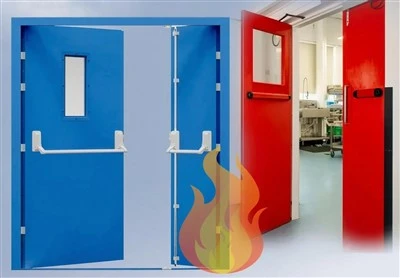
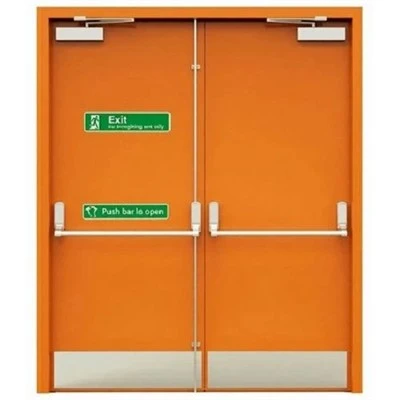
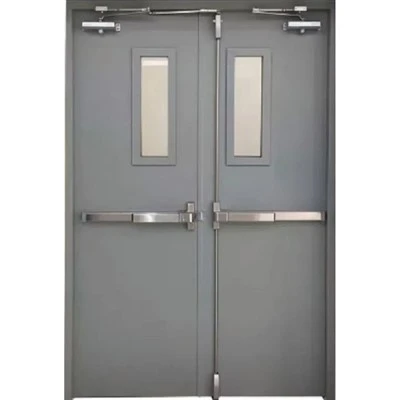
Hey there! As a supplier of Explosion Relief Doors, I've been getting a lot of questions lately about the explosion-proof performance requirements for these doors in chemical plants. So, I thought I'd take a few minutes to break it down for you and share some insights on what you need to know.
First off, let's talk about why explosion relief doors are so important in chemical plants. Chemical plants deal with all sorts of volatile substances, and there's always a risk of an explosion. When an explosion occurs, the pressure inside the building can build up rapidly, which can cause serious damage to the structure and put the lives of workers at risk. Explosion relief doors are designed to relieve this pressure by opening up and allowing the excess energy to escape safely. This helps to prevent the building from collapsing and reduces the risk of injury or death.
Now, let's get into the nitty-gritty of the explosion-proof performance requirements for these doors. There are several key factors that need to be considered when evaluating the explosion-proof performance of an explosion relief door.
Pressure Resistance
One of the most important requirements is the door's ability to withstand a certain amount of pressure. The pressure rating of an explosion relief door is typically measured in pounds per square inch (psi). In a chemical plant, the pressure rating of the door needs to be high enough to withstand the maximum pressure that could be generated by an explosion. This pressure can vary depending on the type of chemicals being used, the size of the area, and other factors. Generally speaking, explosion relief doors in chemical plants need to have a pressure rating of at least 1 psi, but in some cases, they may need to be able to withstand pressures of 5 psi or more.
Opening Pressure
In addition to withstanding pressure, the explosion relief door also needs to open at the right time. The opening pressure of the door is the pressure at which it will start to open and relieve the excess pressure. This pressure needs to be carefully calibrated to ensure that the door opens before the pressure inside the building reaches a dangerous level. If the opening pressure is too high, the door may not open in time, which can lead to serious damage. On the other hand, if the opening pressure is too low, the door may open prematurely, which can cause unnecessary disruptions to the plant's operations.
Sealing Performance
Another important factor is the sealing performance of the explosion relief door. When the door is closed, it needs to provide a tight seal to prevent the leakage of chemicals and gases. This is especially important in a chemical plant, where even a small leak can pose a serious risk to the environment and the health of workers. The door should be made of materials that are resistant to corrosion and chemical damage, and it should be properly installed to ensure a good seal. You might also be interested in the Airtight Door, which offers excellent sealing performance.
Durability and Reliability
Explosion relief doors need to be durable and reliable. They need to be able to withstand the harsh conditions in a chemical plant, including exposure to chemicals, high temperatures, and humidity. The doors should be made of high-quality materials, such as steel, and they should be designed to last for a long time. Regular maintenance and inspection are also essential to ensure that the doors are in good working condition. If you're looking for a reliable option, check out our Steel Explosion Proof Door.
Response Time
The response time of the explosion relief door is also crucial. When an explosion occurs, the door needs to open quickly to relieve the pressure. The response time is typically measured in milliseconds, and it should be as short as possible. A fast response time can help to minimize the damage caused by the explosion.
Compatibility with Other Systems
Explosion relief doors need to be compatible with other safety systems in the chemical plant, such as ventilation systems and fire suppression systems. For example, when the explosion relief door opens, it should not interfere with the operation of the ventilation system, which is responsible for removing the toxic gases and fumes from the building.
Testing and Certification
To ensure that the explosion relief doors meet the required performance standards, they need to be tested and certified by a recognized testing agency. The testing process typically involves subjecting the doors to simulated explosion conditions to measure their pressure resistance, opening pressure, and other performance parameters. Only doors that pass the testing can be considered suitable for use in a chemical plant.
As a supplier of Explosion Relief Door, we understand the importance of meeting these explosion-proof performance requirements. We offer a wide range of explosion relief doors that are designed to meet the specific needs of chemical plants. Our doors are made of high-quality materials, and they undergo rigorous testing to ensure their performance and reliability.


If you're in the market for an explosion relief door for your chemical plant, or if you have any questions about the explosion-proof performance requirements, don't hesitate to reach out. We're here to help you find the right solution for your needs. Whether you need a door with a high pressure rating, excellent sealing performance, or fast response time, we've got you covered.
We also offer other types of explosion-proof doors, such as Blast Resistant Door and Explosion Proof Airtight Door, which may be suitable for different applications in your chemical plant.
So, if you're ready to take the next step and ensure the safety of your chemical plant, contact us today. We're looking forward to working with you and helping you find the perfect explosion relief door for your facility.
References
- National Fire Protection Association (NFPA) standards related to explosion protection in industrial facilities.
- American Society of Mechanical Engineers (ASME) codes for pressure vessels and safety devices.
- International Electrotechnical Commission (IEC) standards for electrical equipment in explosive atmospheres.