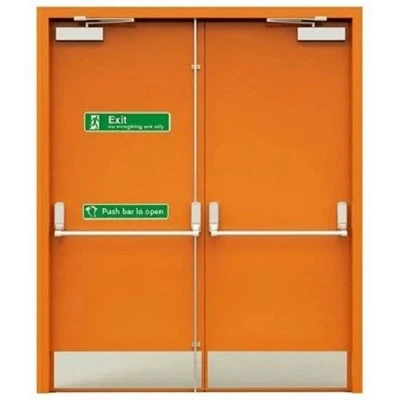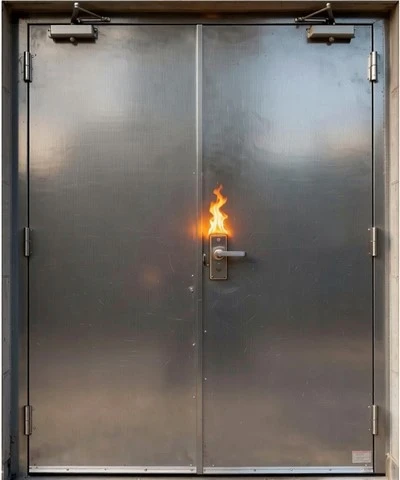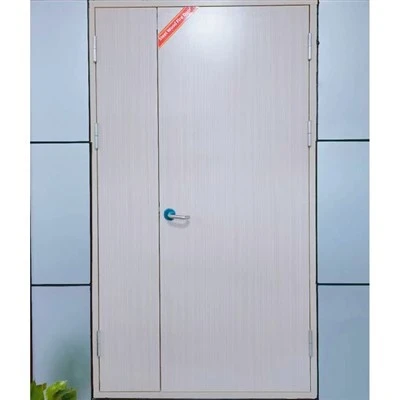


If you’re in the market for industrial safety doors, you’ve probably already wrapped your head around what steel explosion proof doors do—they block blasts, contain pressure, keep people safe in high-risk spaces. But here’s the question I get all the time that’s not as talked about: how water-resistant are these things? Because it’s not like these doors only have to handle explosions. A lot of the spaces that need explosion proof doors (think chemical plants, power substations, munitions storage facilities) also deal with water—maybe it’s a sudden flood, heavy rain during a storm, or even regular washdowns to keep hazardous areas clean.
Let’s break this down, and yeah, I’ll keep it real—no overly technical jargon, no stuffy corporate speak. As a supplier of steel explosion proof doors, I’ve gotten dozens of calls this year from facility managers panicking because their old doors couldn’t stand up to a surprise flood, and they’re worried their next one will have the same problem. So let’s start with the basics: water resistance for explosion proof doors isn’t the same as, say, a back patio screen door. It’s way more specific, tied directly to how the door is built, and it’s tested against actual real-world conditions, not just a quick spray from a hose.
First, let’s talk about why water resistance matters here. If your door is water-tight, that means it also holds pressure better during an explosion—water doesn’t seep through gaps the way air does, so the door maintains its structural integrity longer, and that’s a huge bonus. But if water gets into the explosion chamber, the tank, or the storage area behind the door, that can mess with materials, corrode equipment, or even make hazardous materials react in dangerous ways. So it’s not just about preventing water damage—it’s about keeping the entire space safe, both from blasts and from water-related risks.
Now, how do we actually measure water resistance for these doors? A lot of people hear “IP rating” and think that’s the end-all, but IP ratings are general, and explosion proof doors have their own testing standards too. The main ones in the U.S. are from the National Fire Protection Association (NFPA) and the Department of Defense (DoD), and in Europe, it’s EN 12253. For example, NFPA 68 covers explosion protection systems, and it explicitly notes that doors in explosive atmospheres need to be tested for water penetration if they’re going to be exposed to moisture.
When we test a steel explosion proof door for water resistance, we don’t just spray it with a garden hose for five minutes. We simulate different scenarios: heavy rain (like 100 mm per hour for an hour straight), flood conditions (submerging the door’s bottom 150 mm for 24 hours), and even high-pressure water jets (like a fire hose pushing 100 bar of pressure from 1 meter away). The test checks two things: does water get through the gaps between the door and the frame, and does water seep into the door’s core (which is filled with blast-resistant material, usually concrete or steel composite)?
Most standard steel explosion proof doors we supply have an IP rating of IP65, which means they’re dust-tight and protected against low-pressure water jets from any direction. But wait—IP65 is for general use. If your facility is in a flood zone, or has regular washdowns with high-pressure cleaners, you’ll want a higher rating, like IP67, which means they can be submerged in up to 1 meter of water for 30 minutes without leaking. We also make some custom doors that go even higher, with IP69 ratings for facilities that need to deal with hot, high-pressure washdowns (common in food processing plants that handle explosive gases, for example).
But here’s the thing: water resistance isn’t a one-size-fits-all add-on. The features that make a steel explosion proof door water-resistant are the same ones that make it blast-resistant, so there’s no extra trade-off there. Let’s list those features real quick, since that’s what people actually care about:
- Welded steel frames and door skins, not just bolted together—no gaps where water can seep in.
- A specialized neoprene or EPDM gasket around the edge, not the flimsy rubber you see on residential doors. This gasket is designed to compress tightly when the door locks, creating a seal that stops both blast pressure and water.
- Anti-corrosion coatings—we use powder-coated steel or hot-dipped galvanized steel for all our doors, so rust doesn’t eat through the gaps or the skin, which would break the water seal over time.
- Heavy-duty locking systems that pull the door tight against the frame, not just latched loosely. If the door isn’t compressed evenly, gaps form, and water gets in.
I’ve had a customer tell me once they tried to save money on a cheaper explosion proof door that wasn’t rated for water, and when a sudden thunderstorm flooded their loading dock, water seeped under the door and got into their explosive chemical drums. They had to dump thousands of dollars’ worth of material, and had to shut down operations for a week to clean everything up. That’s why we always ask our customers at the start: what’s the environmental condition your door will face? Because if they say “it’s exposed to occasional rain and occasional high water,” we point them to our standard IP65 doors. If they say “it’s in a 100-year flood zone,” we recommend our IP67 custom doors.
Wait, while we’re talking about related products, if you’re looking for a door that’s extra air-tight too, not just blast-proof, check out the Airtight Door. Airtight doors are built with even tighter seals than standard explosion proof doors, so they’re great for spaces where you don’t want gas or water seeping through, like nuclear facilities or clean rooms. And if you need both explosion proofing and airtight sealing, the Explosion Proof Airtight Door is a game-changer—it meets both NFPA explosion standards and air permeability standards, so you don’t have to compromise one for the other.
Another thing I get asked a lot: can you make a standard steel explosion proof door water-resistant? Like, can we retro-fit one we already have? The short answer is maybe, depending on why the door isn’t water-resistant already. If it’s missing the proper gasket, we can replace that. If it’s made with thin, non-galvanized steel, we can recoat it. But if the gaps are from poor welding, retro-fitting isn’t worth it—better to get a door built right the first time. That’s why we always recommend getting doors built to your exact needs, not modifying old ones.


What about edge cases? Like, doors that have to handle both explosions and heavy snow loads? Or doors that are installed in basements that might flood? Those are actually common for us—power plants in cold climates often need doors that can handle snow and occasional floods, and we build them to meet both EN 12253 blast standards and IP67 water ratings. We’ve also built doors for munitions storage facilities that are in coastal areas, so they have to handle saltwater exposure too—salt is way harder on seals than fresh water, so we use special EPDM gaskets that resist corrosion from salt.
Now, let’s clear up a myth: some people think that if a door is explosion proof, it can’t be water-resistant because the materials used for blast absorption are porous. That’s not true at all. The core of a steel explosion proof door is usually a closed-cell material, not porous—so even if water gets past the outer seal, it won’t absorb into the core, which keeps the door light and maintains its blast resistance. The only time that’s not the case is if the door is a cheap, thin steel door with a foam core, which most reputable suppliers (including us) don’t use anyway. We use high-density steel composite or reinforced concrete cores, both of which are totally resistant to water damage.
Let’s talk about maintenance too, because a door that’s tested for water resistance is only as good as you maintain it. I’ve seen perfectly good doors stop being water-resistant just because no one checked the gasket once a year. Dirt, grime, and debris can build up on the gasket, so it doesn’t compress properly when you lock the door. That creates gaps, and water seeps through. We always recommend inspecting the gasket every six months, cleaning it with mild soap and water, and replacing it every 5 years—even if it looks fine. Also, check the door’s frame for rust spots, because even a tiny rust pit can create a gap over time. If you’re looking for doors that are low-maintenance, check out the Armour Guard Doors line—they have a extra-tough powder coat that resists scratches and rust, so you don’t have to worry about constant upkeep.
Wait, another product that might fit if your needs are a little different: the Explosion Relief Door. These doors are designed to open outward to release excess pressure during an explosion, so they work in spaces where the blast pressure is too high for a standard door. But we also make explosion relief doors that are water-resistant, so you don’t have to choose between pressure relief and water protection—just ask our team, and we can tailor them to your site.
Let’s wrap this up with a real example from our work. A chemical plant in Texas reached out to us a couple years ago, saying their previous steel explosion proof door had leaked during a hurricane, and they had to shut down their ammonia storage area for 10 days. They needed a door that could handle wind-driven rain up to 150 km/h, occasional flooding, and standard explosion pressure from ammonia leaks. We sent our technical team out to survey their site, built them a custom door with IP67 rating, a reinforced neoprene gasket, hot-dipped galvanized steel, and a locking system that compresses evenly around the entire frame. They installed it two years ago, and have had zero water-related issues—even during last year’s hurricane season. That’s exactly what we’re here for: doors that don’t just do their main job (stop blasts) but handle the other stuff that your facility throws at them.
At the end of the day, water resistance for steel explosion proof doors isn’t an afterthought—it’s a critical part of their functionality. You don’t want to spend thousands on a blast door only to have it fail when a storm hits or a pipe bursts. The key is to work with a supplier that understands both blast protection and environmental exposure, not just one or the other. If you’re not sure what rating you need, or if you have questions about custom doors that fit both your blast and water needs, reach out to our team to chat about your specific project. We don’t do one-size-fits-all, and we’ll never push a door that doesn’t match your site’s actual risks.
When you’re investing in safety doors, you want something that works for every scenario, not just the ones that are planned for. A steel explosion proof door should protect you from blasts, fire, and water—because those risks don’t always happen separately. Don’t cut corners on water resistance, it’ll save you a lot of headache (and money) down the line.
References
- National Fire Protection Association (NFPA) 68: Standard on Explosion Protection by Deflagration Venting
- European Committee for Standardization (CEN) EN 12253: Blast Resistant Doors, Shutters and Windows - Test Methods and Requirements
- International Electrotechnical Commission (IEC) 60529: Degrees of Protection Provided by Enclosures (IP Code)