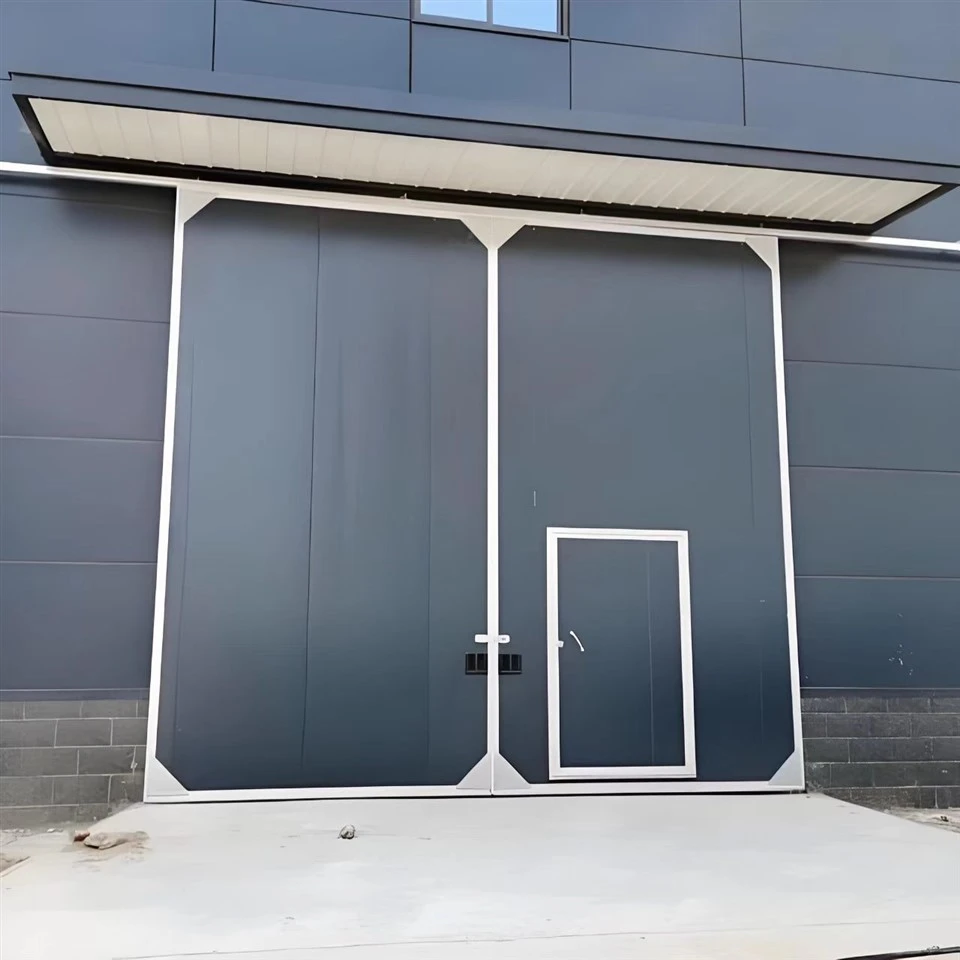


What is the weight of an airtight door? This is a question that often comes up when considering the installation and functionality of such doors. As a supplier of Airtight Doors, I've encountered this query numerous times from clients across various industries. In this blog, I'll delve into the factors that influence the weight of an airtight door, its significance, and how it relates to different applications.
Factors Affecting the Weight of an Airtight Door
The weight of an airtight door is determined by several key factors. First and foremost is the material used in its construction. Airtight doors can be made from a variety of materials, each with its own density and weight characteristics.
- Steel: Steel is a popular choice for airtight doors, especially in industrial settings where durability and strength are crucial. Steel doors are known for their robustness and ability to withstand harsh environments. The weight of a steel airtight door can vary depending on the thickness of the steel. Thicker steel will naturally result in a heavier door. For example, a standard steel airtight door with a thickness of 3mm might weigh around 50 - 70 kilograms per square meter. However, if the thickness is increased to 5mm, the weight could rise to 80 - 100 kilograms per square meter. Steel Explosion Proof Door is a type of steel door that is designed to prevent the spread of explosions and is often heavier due to its additional safety features.
- Aluminum: Aluminum is a lighter alternative to steel. It offers good corrosion resistance and is relatively easy to work with. An aluminum airtight door typically weighs less than a steel door of the same size. A 2mm thick aluminum airtight door might weigh around 20 - 30 kilograms per square meter. This makes aluminum doors a preferred choice in applications where weight is a concern, such as in aircraft or some residential settings.
- Composite Materials: Composite materials are made by combining different substances to achieve specific properties. These materials can be engineered to be lightweight while still providing good airtightness. The weight of a composite airtight door can vary widely depending on the composition of the materials used. Some composite doors might weigh as little as 10 - 15 kilograms per square meter.
Another factor that affects the weight of an airtight door is its size. Larger doors will naturally weigh more than smaller ones. The dimensions of the door, including its height, width, and thickness, all contribute to its overall weight. For instance, a standard single - leaf airtight door with dimensions of 2 meters in height and 1 meter in width will weigh less than a double - leaf door with the same height but a width of 2 meters.
The design and additional features of the airtight door also play a role in its weight. Doors with complex locking mechanisms, insulation layers, or soundproofing materials will be heavier. For example, an airtight door with a high - quality insulation layer to maintain temperature control in a cold storage facility will weigh more than a basic airtight door without such insulation.
Significance of the Weight of an Airtight Door
The weight of an airtight door is not just a random number; it has several important implications.


- Installation: The weight of the door affects the installation process. Heavier doors require more robust support structures and stronger hinges. If the support structures are not properly designed to handle the weight of the door, it can lead to issues such as sagging or misalignment over time. This can compromise the airtightness of the door and its overall functionality. For example, in a large industrial building, the installation of a heavy steel airtight door might require specialized equipment and skilled technicians to ensure proper installation.
- Energy Efficiency: The weight of an airtight door can be related to its energy - efficiency. Heavier doors often have better insulation properties. A well - insulated airtight door can help reduce heat transfer between different areas, which is especially important in buildings where temperature control is crucial. For instance, in a commercial kitchen, an airtight door with good insulation can prevent the escape of hot air, reducing the energy consumption of the HVAC system.
- Safety: In some applications, the weight of the airtight door is directly related to safety. For example, Explosion Relief Door is designed to relieve pressure in the event of an explosion. These doors need to be heavy enough to withstand normal operating conditions but also be able to open quickly when the pressure exceeds a certain limit. The weight of the door is carefully calibrated to ensure its proper functioning in such critical situations.
Applications and Weight Considerations
Different applications have different requirements when it comes to the weight of an airtight door.
- Industrial Settings: In industrial facilities such as chemical plants, manufacturing plants, and warehouses, airtight doors are used to separate different areas, control the flow of air, and prevent the spread of contaminants. Steel airtight doors are commonly used in these settings due to their strength and durability. The weight of the door is an important consideration, as it needs to be able to withstand the rigors of industrial operations. For example, in a chemical plant, a heavy steel airtight door can prevent the leakage of hazardous chemicals and protect the workers and the environment.
- Residential Buildings: In residential buildings, airtight doors are used to improve energy efficiency, reduce noise, and enhance security. Aluminum or composite airtight doors are often preferred in these settings due to their lighter weight and aesthetic appeal. A lighter door is easier to install and operate, making it more convenient for homeowners. For example, an airtight door in a bedroom can help reduce outside noise and keep the room at a comfortable temperature.
- Healthcare Facilities: In healthcare facilities such as hospitals and clinics, airtight doors are used to maintain a clean and sterile environment. These doors need to be airtight to prevent the spread of germs and contaminants. The weight of the door is important to ensure proper sealing and durability. Composite or steel airtight doors with additional features such as antimicrobial coatings are often used in these settings.
Contact for Procurement
If you're in the market for an airtight door and have questions about the weight, material, or any other aspect of our products, we're here to help. Our team of experts can provide you with detailed information and assist you in choosing the right airtight door for your specific needs. Whether you're looking for a Airtight Door for an industrial facility, a residential building, or a healthcare facility, we have a wide range of options to meet your requirements. Contact us today to start the procurement process and discuss how our airtight doors can benefit your project.
References
- "Handbook of Door and Window Engineering"
- "Materials Science for Construction"
- Industry reports on airtight door manufacturing and applications