
Operating a smoke curtain is a critical task that requires specific training to ensure its proper functioning and effectiveness in a fire emergency. As a smoke curtain supplier, I understand the importance of providing comprehensive training to those who will be responsible for operating these life - saving devices. In this blog, I will discuss the training required to operate a smoke curtain, covering various aspects from basic knowledge to practical skills.
Understanding the Basics of Smoke Curtains
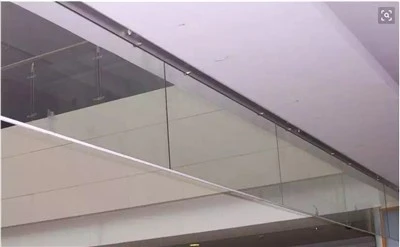
Before diving into the operation training, it is essential to have a solid understanding of what smoke curtains are and how they work. Smoke curtains are designed to prevent the spread of smoke and hot gases during a fire, creating a barrier that helps to contain the fire and protect people and property. There are different types of smoke curtains available in the market, such as Fixed Smoke Curtain, Motorized Smoke Curtain, Fire Resistant Fabric Smoke Curtain, Movable Smoke Curtain, and Roller Type Smoke Curtain.
Each type of smoke curtain has its own unique features and operating mechanisms. For example, fixed smoke curtains are permanently installed and do not move, while motorized smoke curtains can be automatically or manually deployed. Fire - resistant fabric smoke curtains are made of special materials that can withstand high temperatures, and movable smoke curtains can be adjusted according to different needs. Understanding these differences is the first step in the training process.
Regulatory and Safety Knowledge
Operators of smoke curtains must be well - versed in relevant regulations and safety standards. These regulations are in place to ensure the proper installation, maintenance, and operation of smoke curtains. In many regions, building codes require the installation of smoke curtains in certain types of buildings, such as high - rise buildings, shopping malls, and theaters.
Training should cover the local and national regulations regarding smoke curtains, including requirements for fire ratings, installation heights, and testing procedures. Safety knowledge is also crucial. Operators need to understand the potential hazards associated with smoke curtains, such as electrical hazards in motorized models and the risk of entrapment if the curtain malfunctions. They should be trained on how to handle emergency situations, such as power outages or system failures.
Installation and Maintenance Training
Proper installation is the foundation for the reliable operation of smoke curtains. Training on installation should include how to read installation manuals, select the appropriate location for installation, and use the correct tools and techniques. Operators need to understand the structural requirements of the building where the smoke curtain will be installed, such as the load - bearing capacity of the ceiling or wall.


Maintenance is equally important. Regular maintenance ensures that the smoke curtain remains in good working condition. Training should cover routine maintenance tasks, such as cleaning the curtain fabric, checking the motor and control system (for motorized curtains), and inspecting the mounting hardware. Operators should also be trained on how to identify and troubleshoot common problems, such as jams in the roller mechanism or electrical faults.
Operation Training
The core of the training is the operation of the smoke curtain. For manual smoke curtains, operators need to be trained on how to pull the curtain down or up using the appropriate handles or ropes. They should practice the operation several times to ensure they can do it quickly and smoothly in an emergency.
For motorized smoke curtains, the training is more complex. Operators need to learn how to use the control panel, which may include buttons for opening, closing, and stopping the curtain. They should understand the different operating modes, such as automatic activation in case of a fire alarm and manual override. Training should also cover how to test the motorized system regularly to ensure its proper functioning.
Emergency Response Training
In a fire emergency, the timely and correct operation of the smoke curtain can save lives. Emergency response training should simulate real - life fire scenarios. Operators need to practice activating the smoke curtain as soon as they receive a fire alarm. They should also be trained on how to communicate with other emergency responders, such as firefighters and building management.
During the training, operators should learn how to deal with unexpected situations, such as the smoke curtain not deploying properly. They need to know the steps to take to ensure the safety of the building occupants, such as evacuating the area if necessary.
Record - Keeping and Documentation
Training should also include instructions on record - keeping and documentation. Operators need to keep records of installation, maintenance, and operation of the smoke curtain. This includes dates of installation, maintenance tasks performed, and any problems or malfunctions that occurred. These records are important for regulatory compliance and for tracking the performance of the smoke curtain over time.
Importance of Training Refreshers
Training is not a one - time event. Operators should participate in regular training refreshers to keep their skills and knowledge up - to - date. As new regulations are introduced and new technologies are developed, it is essential to stay informed. Training refreshers can also help operators to reinforce their skills and confidence in operating the smoke curtain.
Contact for Purchase and Consultation
If you are interested in purchasing smoke curtains or need more information about the training requirements, please feel free to contact us. We are a professional smoke curtain supplier, and we can provide you with high - quality products and comprehensive training services. Whether you are a building owner, a facility manager, or an installer, we can meet your needs.
References
- National Fire Protection Association (NFPA) standards related to smoke curtains.
- Local building codes and regulations regarding smoke curtain installation and operation.
- Manufacturer's installation and operation manuals for different types of smoke curtains.