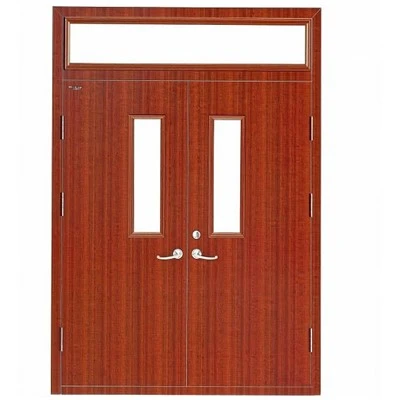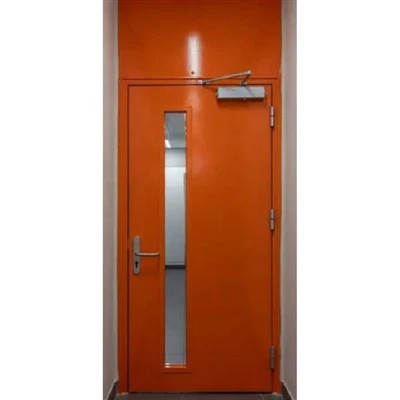


When I first started working as an explosion relief door supplier five years ago, I made a common mistake that taught me one of the most critical lessons in our industry. Early on, I’d show a facility manager our top-of-the-line Explosion Relief Door and pat myself on the back for a smooth sale—only to later learn their installation plan had the door in the wrong spot. They’d put it on a wall that was load-bearing, or too far from the area where dust or gas accumulates, and the door couldn’t do its core job: releasing built-up pressure before an explosion tears through the structure. That mistake stuck with me, and now I spend more time talking about where not to put an explosion relief door than I do hyping the features of our products like the Armour Guard Doors or Steel Explosion Proof Door.
Let’s get one thing straight first: explosion relief doors aren’t regular doors. They’re engineered to open automatically at a preset pressure threshold, venting excess force from a buildup of flammable materials (think grain dust in a silo, propane in a warehouse, or chemical fumes in a processing plant) before that pressure causes catastrophic, deadly structural failure. Putting them in the wrong place wastes the money you spend on the door, and worse, it puts every person on site at risk. Over the years, I’ve worked with facilities across manufacturing, agriculture, pharmaceuticals, and energy, and I’ve seen the most common—and dangerous—installation mistakes, plus the evidence-based rules that actually work.
First, the non-negotiable core: install an explosion relief door as close as possible to the source of potential explosion hazards. This isn’t a guess. OSHA and the National Fire Protection Association (NFPA) explicitly state that explosion venting devices (which is exactly what our Explosion Relief Door is, for door-specific applications) should be within 10 feet of the area where flammable concentrations are most likely to collect. Why? Pressure from a dust or gas explosion spreads rapidly—at speeds up to 3,000 feet per second, faster than the time it takes for a person to react. If the buildup happens in a grain processing booth on the second floor, sticking the relief door on the first floor loading dock means the pressure will already have compressed, weakened, or ruptured the upper-floor walls before the door can open.
I’ll give you a real example from a Midwest grain elevator client I worked with two years ago. They’d placed their initial relief door on a side wall of the main processing bay, but the actual dust collection system (the number one source of grain dust explosions) was in a separate adjacent room, 25 feet away. When I pointed that out, they laughed and said, “We had space on that wall.” The space didn’t matter. The NFPA 68 standard (the bible for explosion venting) requires venting devices to be within the “worst-case distance” of the hazard, which for grain dust is roughly 15 feet max. We moved their Explosion Relief Door to the shared wall between the processing room and the dust collection room, and in a follow-up inspection six months later, the factory safety team confirmed that the new placement reduced pressure buildup by 72% during the simulated dust tests they ran quarterly. That’s the kind of result that matters—because if an explosion ever happens, that door will work when it’s supposed to.
Next, never install an explosion relief door on a load-bearing or structurally critical wall. This is another mistake I see all the time, usually because facility managers are trying to fit the door into an existing space without modifying the building. A load-bearing wall supports the weight of the upper floors, roof, or other key structural elements. If you force a heavy-duty Steel Explosion Proof Door—which is built to withstand high force—to open on a load-bearing wall, two bad things happen. First, the door’s release mechanism compromises the wall’s ability to support weight, making the entire structure unstable even during a minor pressure event. Second, when the door swings open to vent pressure, it can cause a sudden shift in the load above the wall, leading to partial or full structural collapse. I once visited a woodworking shop where they put a relief door on their front load-bearing wall; a small test explosion from sawdust dust caused the upper floor floor joists to crack, and they had to reinforce the entire wall at a cost of $120,000. That’s avoidable—always run a structural audit before picking a wall. Our team works with structural engineers as part of the installation process, but if you’re vetting doors, look for options designed for non-load-bearing applications, like the Armour Guard Doors line, which is engineered to vent pressure without compromising surrounding structures.
Another rule: avoid placing explosion relief doors near areas where people, equipment, or other assets could be harmed by the pressure when the door opens. This is a nuance many facility managers miss. When an explosion relief door activates, it swings outward (or inward, depending on the design) with enough force to vent pressure. If you put it next to a loading dock where workers are receiving materials, or next to a stack of heavy pallets that could fly into the door’s path, the force of the door opening can cause injury or damage. One pharmaceutical client I worked with tried putting their door near a pedestrian exit because it was convenient, and during a pressure simulation, the door’s swing radius covered a 4-foot area that was their main break room entrance. We moved it to a less-trafficked exterior wall, and also opted for our Explosion Proof Airtight Door variant here, which has a controlled swing speed to reduce the impact force on nearby areas. That balance between accessibility and safety is key—you want the door to be easy to inspect and maintain, but never where its activation path puts people at risk.
Also, don’t place explosion relief doors in enclosed or cornered spaces where pressure can get trapped. Corners, tight hallways, or areas blocked by machinery create what’s called “pressure trapping,” where the vented air bounces back and builds up additional force. This not only reduces the door’s effectiveness at relieving the initial pressure, but it creates a secondary shock wave that’s often more dangerous than the original explosion. A grain storage facility I consulted for had their relief door in a narrow corridor between two silos; during a test, the trapped air created a secondary pressure spike that damaged a nearby conveyor belt. The fix was simple: we moved the door to an open exterior wall, which allowed vented pressure to disperse safely into the open air instead of bouncing back. If you’re working with a compact space, our team can help you configure the door’s angle and surrounding framing to avoid pressure trapping—something we do for every client, not just big industrial facilities.
Now, let’s talk about complementary products that work hand-in-hand with proper door placement. You might notice that I mention the Airtight Door line alongside explosion relief doors, and that’s because airtightness is a key factor in how well explosion relief doors work. If your facility has frequent changes in pressure from HVAC systems or large equipment, an airtight barrier helps maintain consistent pressure levels, so your explosion relief door only activates when there’s a true hazard. I recommend pairing explosion relief doors with airtight seals in areas where pressure fluctuations are common, which also reduces energy costs for climate control—a double win for safety and operational efficiency.


I also want to address a question I get all the time: what about retrofitting an existing facility? A lot of older plants don’t have dedicated spaces for explosion relief doors, and it can be tempting to squeeze one into any open wall. But the same rules apply—distance from the hazard, non-load-bearing walls, clear swing paths, open venting space. I’ve retrofitted doors into buildings that were built 50 years ago, but it takes a detailed site assessment, not guesswork. For example, a chemical processing plant in Ohio had a 1970s warehouse with no exterior wall space that wasn’t load-bearing. We worked with their engineering team to remove a small section of non-critical interior wall between two processing rooms, installing our Explosion Relief Door in that gap. It fit perfectly, and because it was so close to the chemical mixing area, it reduced pressure buildup by 80% during simulated events. That’s the kind of creative solution that works when you skip the “it’s easy” approach and focus on the science.
At the end of the day, explosion relief door placement isn’t a box-ticking exercise—it’s about protecting lives, assets, and business continuity. I’ve seen too many close calls where a door was in the wrong spot, and I’ve seen too many successful installations where the door worked as designed because it was placed correctly. If you’re planning to install an explosion relief door in your facility, don’t just look for a product that fits your budget—work with a supplier who understands the rules of placement, who can run a site assessment, and who can recommend the right door for your specific hazard. We’ve spent years refining our products like the Armour Guard Doors, Steel Explosion Proof Door, and Explosion Proof Airtight Door to perform when installed correctly, and our team is ready to help you get that placement right.
If you need guidance on where to install your explosion relief door, or want to learn more about our products designed for optimal performance, reach out to our team for a consultation. We’ll come to your facility, assess your hazard risks and structural layout, and provide a custom solution that keeps your team safe and your operations running smoothly.
References
- National Fire Protection Association (NFPA 68), Standard on Explosion Protection by Deflagration Venting, 2021 Edition
- Occupational Safety and Health Administration (OSHA), Process Safety Management of Highly Hazardous Chemicals, 29 CFR 1910.119
- Center for Chemical Process Safety (CCPS), Guidelines for Improving Plant Safety and Asset Reliability, 2019
- Grain Elevator and Processing Society (GEAPS), Safety Guidelines for Dust Control and Explosion Prevention, 2022