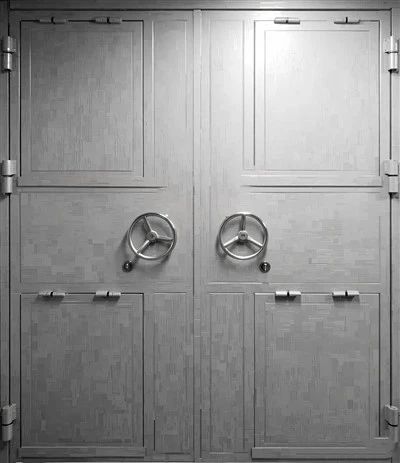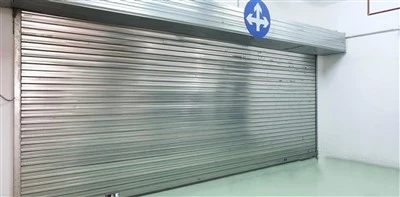


Normally closed fire doors play a crucial role in fire safety systems, acting as barriers to prevent the spread of fire, smoke, and toxic gases. They are designed to be closed under normal conditions and automatically close in the event of a fire, providing a safe evacuation path and protecting property. As a supplier of normally closed fire doors, I often receive questions from customers about whether these doors require special hardware. In this blog post, I will explore this topic in detail and provide insights based on industry standards and best practices.
Understanding the Function of Normally Closed Fire Doors
Normally closed fire doors are an essential part of fire protection in buildings. They are installed in areas where fire and smoke could potentially spread, such as stairwells, corridors, and between different compartments of a building. These doors are designed to have a certain fire - resistance rating, which indicates the length of time they can withstand fire and heat before losing their integrity.
The primary function of a normally closed fire door is to remain closed in normal circumstances and close automatically in case of a fire. This requires a reliable mechanism to ensure that the door stays shut and can close properly when triggered. Special hardware is often necessary to achieve this functionality and meet the relevant fire safety standards.
Special Hardware for Normally Closed Fire Doors
Door Closers
One of the most critical pieces of hardware for normally closed fire doors is the door closer. A door closer is a mechanical device that automatically closes a door after it has been opened. It is designed to close the door gently and firmly, ensuring that it seals properly.
In the context of fire doors, the door closer must be able to close the door within a specified time frame, usually within a few seconds. This ensures that in the event of a fire, the door can quickly isolate the affected area. High - quality door closers are also adjustable, allowing for fine - tuning of the closing speed and force. This is important to ensure that the door closes smoothly without causing any damage or creating a safety hazard.
Hold - Open Devices
While normally closed fire doors are supposed to be closed, there are situations where it may be necessary to keep them open, such as in areas with high traffic. In such cases, hold - open devices are used. These devices hold the fire door open during normal operation and release it when a fire alarm is triggered.
There are different types of hold - open devices, including electromagnetic and pneumatic ones. Electromagnetic hold - open devices use an electric current to keep the door open. When the power is cut off, usually by a signal from the fire alarm system, the magnet releases, and the door closer closes the door. Pneumatic hold - open devices, on the other hand, use air pressure to hold the door open and release it in case of a fire.
Self - Latching Hardware
Self - latching hardware is another important component of normally closed fire doors. A self - latching mechanism ensures that the door latches securely when it closes. This is crucial for maintaining the fire - resistance integrity of the door. If the door does not latch properly, fire and smoke can easily seep through the gaps, reducing the effectiveness of the fire door.
The self - latching hardware should be designed to work in conjunction with the door closer. It should be able to engage smoothly and hold the door firmly in place. Some self - latching systems also have features that prevent the door from being accidentally opened from the wrong side, which is important for maintaining safety during an evacuation.
Fire - Rated Hinges
Hinges are often overlooked but are a vital part of a fire door's hardware. Fire - rated hinges are designed to withstand the high temperatures and forces associated with a fire. They are made from materials that have a high melting point and are able to maintain their structural integrity for a specified period of time.
Using non - fire - rated hinges on a fire door can compromise its fire - resistance rating. The hinges need to support the weight of the door and allow it to open and close smoothly. In a fire situation, they must also prevent the door from falling off or warping, which could allow fire and smoke to pass through.
Importance of Complying with Standards
When it comes to the hardware for normally closed fire doors, compliance with relevant standards is of utmost importance. In many countries, there are strict regulations regarding the design, installation, and maintenance of fire doors and their associated hardware.
For example, in the United States, the National Fire Protection Association (NFPA) has developed standards such as NFPA 80, which specifically addresses fire doors and other opening protectives. These standards define the requirements for the fire - resistance rating of doors, the performance of hardware, and the installation procedures.


Compliance with these standards ensures that the fire doors function as intended in a fire situation. It also provides assurance to building owners, occupants, and regulatory authorities that the fire safety system is reliable. Non - compliance can result in fines, legal liabilities, and most importantly, a significant increase in the risk of fire - related injuries and property damage.
Our Range of Fire Door Products
As a supplier of normally closed fire doors, we offer a wide range of products and hardware solutions to meet different customer needs. Our product portfolio includes Steel Fire Roller Shutter, which are ideal for large openings and offer high - level fire protection. We also have Metal Fire Doors, which are durable and can be customized to fit different architectural designs.
For evacuation routes, our Fire Doors for Evacuation Routes are designed to provide a safe and unobstructed path during a fire emergency. We also offer Internal Glazed Fire Doors, which combine fire - resistance with visibility, making them suitable for areas where visual access is required. Additionally, our Inorganic Fire Curtain Roller Door provides an effective solution for creating fire - resistant partitions.
Conclusion and Call to Action
In conclusion, normally closed fire doors do require special hardware to ensure their proper functioning and compliance with fire safety standards. Door closers, hold - open devices, self - latching hardware, and fire - rated hinges are all essential components that contribute to the fire - resistance and reliability of these doors.
If you are in the market for high - quality normally closed fire doors and their associated hardware, we are here to help. Our team of experts can provide you with detailed information about our products, assist with product selection, and ensure proper installation and maintenance. Contact us today to start a procurement discussion and enhance the fire safety of your building.
References
National Fire Protection Association (NFPA). NFPA 80: Standard for Fire Doors and Other Opening Protectives.
International Building Code (IBC). Guidelines for fire - resistant construction and fire doors.