

In the realm of fire safety systems, steel smoke curtains play a pivotal role in compartmentalizing areas, preventing the spread of smoke and fumes during a fire emergency. As a reputable steel smoke curtain supplier, I understand the importance of not only providing high - quality products but also ensuring that customers know how to properly operate these crucial safety devices. In this blog post, I'll delve into the details of how to operate a steel smoke curtain, covering various aspects from installation checks to regular maintenance and emergency use.
Pre - operation Checks
Before the actual operation of a steel smoke curtain, a series of pre - operation checks are essential. First and foremost, the installation of the steel smoke curtain must be carried out in strict accordance with the manufacturer's instructions. The mounting brackets should be firmly fixed to the ceiling or wall structure, ensuring that the curtain can withstand the forces exerted during deployment.
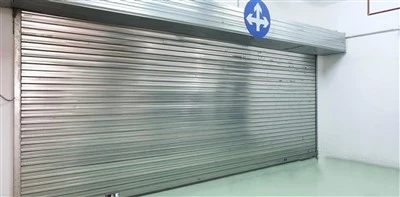
Inspect the curtain material itself. A steel smoke curtain Steel Smoke Curtain is typically made of high - strength steel, which should be free from any signs of damage, such as cracks, dents, or corrosion. Any compromised areas of the curtain can significantly affect its performance and integrity during a fire.
Check the control system. The control system of a steel smoke curtain can be either manual or automated. For automated systems, ensure that the sensors are properly calibrated and functioning. These sensors are designed to detect smoke or heat and trigger the deployment of the curtain. Test the connection between the sensors, the control panel, and the motor (if it is a Motorized Smoke Curtain). A loose or faulty connection can prevent the curtain from deploying when needed.
Manual Operation
In some situations, manual operation of the steel smoke curtain may be required. Manual operation is usually achieved through a control switch located near the curtain or at a designated control station. To operate the curtain manually, first, locate the control switch. It is usually clearly marked for easy identification.
Before activating the switch, make sure that the area around the curtain is clear of any obstructions. Obstacles such as furniture, equipment, or debris can prevent the curtain from descending smoothly. Once the area is clear, turn the control switch to the "down" position. The curtain should start to descend gradually. If the curtain does not move, check for power supply issues or mechanical blockages.
To retract the curtain manually, turn the control switch to the "up" position. The curtain should slowly rise back to its stored position. During the retraction process, monitor the movement of the curtain closely to ensure that it retracts evenly and without any jamming.
Automated Operation
Automated operation is the most common way of using a steel smoke curtain in modern buildings. The automated system is triggered by smoke or heat sensors installed in the vicinity of the curtain. When the sensors detect the presence of smoke or a significant increase in temperature, they send a signal to the control panel.
The control panel then processes the signal and activates the motor to lower the curtain. The speed of deployment is usually pre - set and is designed to be fast enough to contain the smoke effectively but not so fast as to cause damage to the curtain or the surrounding structure.
During normal operation, it is important to regularly test the automated system. You can use a smoke generator or a heat source specifically designed for testing sensor systems. This will ensure that the sensors are sensitive enough to detect smoke or heat and that the entire system can respond promptly in an emergency.
Maintenance and Inspection
Regular maintenance and inspection are crucial for the proper operation of a steel smoke curtain. A maintenance schedule should be established, and it is recommended to have a professional inspection at least once a year.
During the inspection, check the mechanical components of the curtain, such as the guide rails, pulleys, and chains. These parts are subject to wear and tear over time and may need to be lubricated or replaced if necessary. Ensure that the guide rails are clean and free from any debris that could impede the movement of the curtain.


Inspect the electrical components, including the control panel, sensors, and motor. Look for any signs of loose wiring, burnt components, or water damage. Faulty electrical components can lead to system failures and may prevent the curtain from deploying when needed.
Test the emergency backup power supply, if available. In case of a power outage during a fire, the backup power supply should be able to operate the curtain to ensure its functionality. Check the battery life and the charging system to make sure that the backup power source is reliable.
Different Types of Steel Smoke Curtains and Their Operation Nuances
Movable Smoke Curtain
Movable smoke curtains offer flexibility in compartmentalizing different areas of a building as needed. They can be moved up and down frequently, and their operation may require more attention to the control system. The movement mechanism should be checked regularly to ensure smooth and precise operation. Since movable smoke curtains are more likely to be adjusted, the alignment of the curtain and the guide rails also needs to be monitored closely.
Fixed Smoke Curtain
Fixed smoke curtains are permanently installed in a down position. While they may not require the same level of movement - related maintenance as movable curtains, their structural integrity is of utmost importance. Regular inspections should focus on the mounting points and the condition of the steel material to ensure that the curtain can withstand the impact of smoke and fire.
Fire Resistant Fabric Smoke Curtain
Although this is not a pure steel curtain, some models combine fire - resistant fabric with a steel frame. When operating these hybrid curtains, in addition to checking the steel frame, the fabric should also be inspected for any signs of damage or wear. The fabric's fire - resistant properties can be compromised if it is torn or abraded, so special care should be taken during cleaning and maintenance.
Emergency Considerations
In the event of a fire, quick and appropriate action is crucial. If the automated system fails to deploy the steel smoke curtain, the manual operation should be used immediately. However, in a high - stress situation, it is easy to panic. Therefore, building occupants should be trained on how to operate the curtain manually in advance.
Evacuation routes should be clearly marked and kept unobstructed by the deployed curtain. The curtain should not cause any additional hazards during the evacuation process. If there are multiple smoke curtains in a large building, a coordinated deployment plan should be in place to ensure the most effective smoke control.
Conclusion
Operating a steel smoke curtain correctly is essential for maximizing its effectiveness in preventing the spread of smoke and protecting lives and property during a fire. As a steel smoke curtain supplier, I am committed to providing not only top - quality products but also comprehensive guidance on their operation and maintenance.
If you are in need of a reliable steel smoke curtain for your building or have any questions about their operation and installation, please feel free to contact me for further discussion. We can work together to find the best solution for your fire safety needs.
References
- International Fire Code.
- National Fire Protection Association (NFPA) standards related to smoke curtain systems.