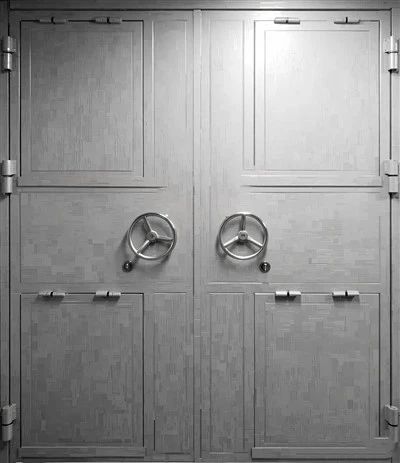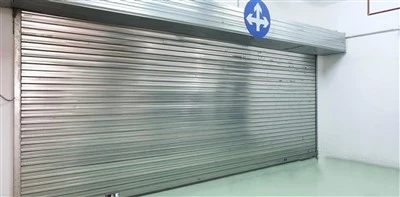


Installing a blast resistant door is a critical process that requires careful planning, precision, and adherence to safety standards. As a leading supplier of blast resistant doors, we understand the importance of a proper installation to ensure maximum protection in high - risk environments. In this blog post, we will guide you through the step - by - step process of installing a blast resistant door.
1. Pre - installation Preparation
Before you start the installation, it is essential to conduct a thorough site assessment. Check the door opening dimensions, ensuring they match the specifications of the blast resistant door you've purchased. Any discrepancies can lead to improper fitting and reduced effectiveness. Measure the height, width, and depth of the opening multiple times to guarantee accuracy.
Inspect the surrounding area for any structural issues. The wall where the door will be installed should be sturdy and capable of supporting the weight of the door. If there are any cracks or weaknesses in the wall, it is advisable to address them before proceeding with the door installation.
Gather all the necessary tools and equipment. This typically includes a drill, screwdriver, level, measuring tape, shims, and a hammer. Make sure all the tools are in good working condition to avoid any delays during the installation process.
2. Door Unpacking and Inspection
Once you have completed the site assessment, carefully unpack the blast resistant door. Our blast resistant doors are usually shipped in protective packaging to prevent damage during transit. Inspect the door for any visible signs of damage, such as dents, scratches, or misaligned components. If you find any issues, contact our support team immediately as we offer high - quality replacements for defective products.
Check the door hardware, including hinges, locks, and handles. Ensure that all the hardware is included and in perfect working order. Our doors come with premium - quality hardware, such as Steel Explosion Proof Door, which is designed to withstand extreme conditions.
3. Positioning the Door Frame
The first step in installing the door is to position the door frame in the opening. Start by placing the frame in the rough opening, aligning it vertically and horizontally. Use a level to ensure the frame is perfectly plumb and level. Minor adjustments can be made using shims. These shims can be inserted between the frame and the wall to fill any gaps and ensure a snug fit.
Once the frame is properly aligned, mark the locations for the mounting holes on the wall. Drill pilot holes at these marked locations. The pilot holes should be slightly smaller in diameter than the screws or bolts that will be used for installation.
4. Securing the Door Frame
After drilling the pilot holes, secure the door frame to the wall using the appropriate screws or bolts. Our doors come with detailed installation instructions that specify the type and size of fasteners to be used. Tighten the screws or bolts gradually and evenly to prevent the frame from warping.
As you secure the frame, double - check its alignment using the level. Make any necessary adjustments to ensure the frame remains plumb and level. Once the frame is securely attached, check for any gaps between the frame and the wall. If there are gaps, use a suitable sealant to fill them. This helps to prevent air and water infiltration and improves the overall performance of the blast resistant door.
5. Hanging the Door
With the frame securely in place, it's time to hang the door. Begin by attaching the hinges to the door. Make sure the hinges are properly aligned with the hinge pins on the frame. Align the door with the frame and insert the hinge pins into the hinge barrels. This step requires precision as a misaligned door can affect its functionality and blast resistance.
Lift the door carefully and place it onto the hinges. Check to ensure that the door swings freely and smoothly. If the door binds or doesn't open and close properly, adjust the hinges as needed. You may need to loosen the hinge screws slightly and re - position the door to improve its movement.
6. Installing the Locks and Hardware
The next step is to install the locks and other hardware on the blast resistant door. Our doors are compatible with a variety of locking mechanisms, such as deadbolts and panic bars, depending on the specific requirements of your application. Follow the manufacturer's instructions for installing each piece of hardware.
Ensure that the locks are installed correctly and that they engage smoothly. Test the locks to make sure they provide a secure closure. Additionally, install any other accessories, such as door handles or closers, according to the provided instructions. The Armour Guard Doors are equipped with high - end hardware to enhance security and functionality.
7. Final Checks and Adjustments
Once the door and all its hardware are installed, conduct a final inspection. Check the door's alignment again to ensure it is still plumb and level. Verify that the door opens and closes easily and that the locks function as intended.


Test the door's seal by closing it and checking for any light leaks around the edges. If there are light leaks, adjust the door or the frame to improve the seal. This is crucial for maintaining airtightness, especially in applications where an Explosion Proof Airtight Door is required.
Check the overall appearance of the installation. Make sure there are no visible scratches or damage on the door and that the hardware is properly tightened. If everything meets your satisfaction, clean the door and the surrounding area to complete the installation process.
8. Maintenance Considerations
After the installation, it is important to establish a regular maintenance schedule for the blast resistant door. Inspect the door and its hardware periodically for signs of wear and tear. Lubricate the hinges and locks regularly to ensure smooth operation.
Check the door seal for any signs of damage or deterioration. If the seal is damaged, replace it promptly to maintain the door's airtightness and blast resistance. Our team can provide you with the necessary replacement parts and guidance on maintenance procedures.
9. Safety and Compliance
When installing a blast resistant door, it is crucial to comply with all relevant safety standards and regulations. These standards are in place to ensure the effectiveness of the door in protecting against blasts and other hazards.
Our blast resistant doors are designed and manufactured to meet or exceed industry standards. However, it is the responsibility of the installer to ensure proper installation in accordance with these standards. If you have any questions regarding safety and compliance, our technical support team is available to assist you.
Contact Us for Purchase and Consultation
Installing a blast resistant door requires expertise and attention to detail. As a trusted supplier of a wide range of blast resistant doors, including Explosion Relief Door and Airtight Door, we are committed to providing high - quality products and professional guidance throughout the installation process.
If you are interested in purchasing a blast resistant door or need further information about our products, feel free to contact us. Our experienced team is ready to discuss your specific requirements and help you find the perfect solution for your needs. Whether you are in the industrial, commercial, or residential sector, we have the right door to meet your blast protection needs.
References
- International Building Code (IBC) for safety standards related to blast resistant doors.
- Manufacturer's installation manuals for specific installation procedures.
- Industry research on blast resistant door technologies and best practices.